Roof Replacement vs. Repair: What Roofers Recommend
Walk a roofline with a seasoned roofer and you will notice how decisions happen in layers. A missing shingle looks simple until you tug at it and find a brittle underlayment or a soft spot in the deck. A leak around a chimney may be flashing, or it may be condensation from poor attic ventilation. The best roofing contractors are not guessing. They are triaging the system as a whole, balancing risk, cost, time, and how many good years you can still expect from that roof.
The question homeowners ask most is direct: do I fix what is wrong, or do I start over? The honest answer depends on the roof’s age, material, installation quality, weather history, and what you expect from the home in the next five to fifteen years. Below is how working roofers frame the choice, what they evaluate on site, and how to read bids from roofing companies with a clear head.
What pros look at first
Before recommending roof replacement or repair, a qualified roofing contractor will check a few big rocks. Shingles or membrane condition is obvious, but the decisions hinge on what lies underneath and around the penetrations.
Age is the first clue. Most three tab asphalt shingles run 12 to 20 years, architectural asphalt 18 to 30, metal 40 to 70, tile and slate much longer if the underlayment and flashings are maintained. A 15 year old architectural roof with isolated wind damage stands a good chance of a cost effective repair. A 24 year old roof with scattered granular loss and curling tabs is living on borrowed time.
They check the attic. Dark stains on the deck, rusty nails that bleed, matted insulation, or a sweet musty odor point to chronic moisture. That often means ventilation issues or slow leaks. If ventilation is wrong, a repair that ignores airflow problems is a bandage on a bigger wound.
They probe the deck. Soft spots at eaves and valleys tell you water is working under the surface. If more than about 10 percent of the deck is compromised or if you see widespread delamination in OSB, replacement starts to make sense because patching will chase problems without solving the cause.
They look hard at flashings and details. Chimneys, skylights, wall step flashing, and valleys produce more leaks than flat field shingle areas. If failures are confined to a known detail, you may be able to rebuild that area and restore service life.
Finally, they study storm history and sun exposure. South and west slopes age faster. In hail regions, you can spot bruised shingles by running a hand across the surface and feeling soft dings or seeing exposed fiberglass. If damage is evenly distributed by a hail event, replacement is often warranted, especially if insurance is involved.
Reading the roof from the ground up
Homeowners do not need to climb to read the major cues. Look for shingle edges that lift, cracked corners, patches of missing granules the size of a palm, and shiny, bald spots where asphalt shows through. From inside, after a heavy rain, check the top of exterior walls for paint bubbling, and in the attic scan for daylight around vents and the chimney.
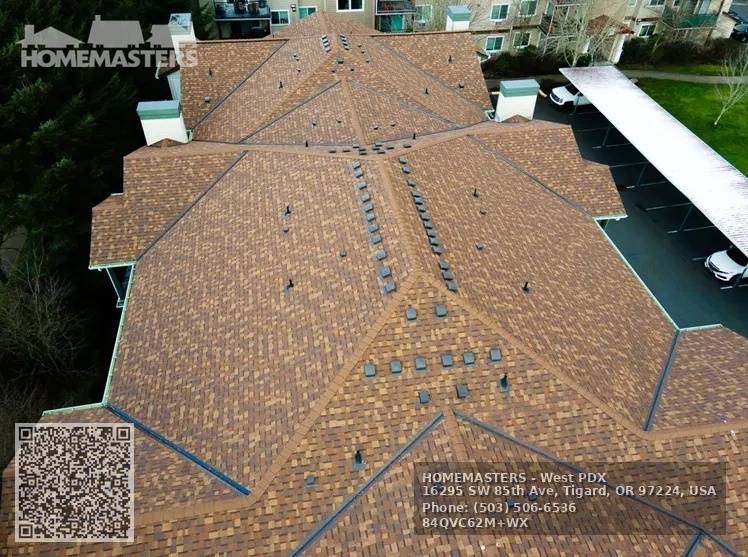
A simple field test with binoculars can be revealing. Architectural shingles should show distinct laminated tabs with crisp shadow lines. If they look flattened or you see random coloring that no longer matches adjacent bundles, UV and heat have broken down the asphalt. That roof will be brittle under a roofer’s feet, which limits the success of repairs because new shingles can crack adjacent old ones during the work.
I once inspected a roof after a 60 mph windstorm. The owner lost seven shingles along the ridge, all on a 14 year old dimensional roof. The deck was tight, nails were well set, and the underlayment was intact. We replaced 20 shingles around the torn area to blend color and secured the ridge with new caps and a bead of sealant. That repair lasted until the home sold five years later. By contrast, a few streets over, a roof of the same age had patchy granular loss across whole slopes, step flashing that had rusted thin, and soft decking near the eaves. Even though only a few shingles were missing, we advised a full tear off and replacement. That roof had reached the end of its safe life.
The money side, with real numbers and warranty math
Repairs can run from a few hundred dollars for a small shingle replacement to several thousand for new flashing around a chimney or skylight. Valley rebuilds and wood rot replacement add cost quickly. On average, targeted shingle repairs land between 350 and 1,500 dollars. Complex leak hunts that require multiple visits, deck patches, and drywall fixes can hit 2,500 to 4,000 dollars.
Full roof replacement varies widely by market, pitch, and material. Asphalt tear off and replacement typically ranges from 4.50 to 8.50 dollars per square foot of roof area in many regions, with higher numbers in coastal markets and lower in the Midwest. A 2,000 square foot roof footprint might equal roughly 2,600 to 3,200 square feet of roof surface depending on pitch. That puts a common asphalt replacement around 12,000 to 24,000 dollars. Metal standing seam often doubles that. Tile can exceed it if significant underlayment and deck work is needed.
Warranty differences matter. Repairs usually come with a workmanship warranty from the roofer, often one to three years. Replacement with quality shingles from the best roofing company in your area can carry a manufacturer’s limited lifetime material warranty and a 10 to 25 year workmanship warranty if installed by a certified roofing contractor. Those warranties are only as good as the company backing them, so who you hire is as important as the shingle you select.
There is also the cost of risk. A repair on a 22 year old roof might hold, or a new leak could appear a season later. If a new ceiling stain will disrupt your life or risk damaging finished interiors, the risk premium nudges you toward replacement even if a repair looks technically feasible.
Material matters: what can be repaired well and what rarely can
Asphalt shingles are the most repair friendly. Color matching can be an issue because older shingles fade. A good roofer will feather new shingles into a larger area so the eye does not catch a patchwork. If the shingles are brittle enough to crack when lifted for nail access, repairs become dicey.
Metal roofing requires a different mindset. Standing seam panels are designed to move with temperature. Many leaks stem from failed sealant at penetrations, loose clips, or poorly detailed pipe boots. Those can be repaired if panels are sound. Oil canning, widespread corrosion, or failing seams often call for more than isolated fixes. If the metal system was installed badly, replacement is usually cheaper than chasing seams for years.
Clay and concrete tile can last generations, but the underlayment typically fails first, often between 20 and 30 years. Replacing broken tiles is easy if you have a stash of matching pieces. If not, color and profile mismatches stand out. When the underlayment fails across slopes, the right approach is to lift tiles, replace underlayment and flashings, then reset or replace tiles. That is functionally a replacement even if you reuse some material.
Flat roofs present their own rules. Modified bitumen and TPO membranes can be heat welded or patched if damage is isolated. Ponding water, blisters across the field, or seam failures on multiple elevations signal a system problem. Repairs on flat roofs buy time. A well executed replacement with tapered insulation and correct terminations solves the root cause.
Weather windows and timing decisions
Roof repair can often be scheduled Roofing companies quickly, which matters after wind or hail. Replacement takes more planning and good weather. Most roofers aim for dry days with temperatures above 40 to 45 degrees for asphalt, slightly warmer for adhesive work. Cold season builds are possible with cold weather adhesives and care, but sealing can be slower and foot traffic can damage brittle shingles. In hot months, the crew must stage materials and breaks to avoid scuffing and safety risks on high heat days.
If water is entering the home, the first step is always to stop the damage. Tarping or temporary dry-in methods can bridge the gap until a full solution. Pro tip from the field: a properly lapped synthetic underlayment with cap nails, run from ridge to eave, will outperform a loose blue tarp and stay in place during a storm. A reliable roofing contractor near me keeps a roll of synthetic underlayment on every truck for that reason.
Insurance and storm claims
After hail or wind, whether you repair or replace often depends on the pattern of damage and your policy terms. Insurers look for functional damage on a test square. For asphalt, that means bruising that breaks the mat, significant granule loss exposing asphalt, or torn tabs. If a majority of test squares meet the threshold across slopes, adjusters may approve replacement rather than patchwork.
Keep in mind code upgrades. If local code requires ice and water shield at eaves, drip edge, or new ventilation, your claim might cover those items under ordinance and law coverage. Many homeowners do not realize that replacing only a few slopes can create a mismatch that lowers curb appeal. Some carriers will consider matching coverage if your policy includes it. Roofing contractors experienced with claims document thoroughly and explain options in plain terms, which keeps the process sane.
Ventilation, insulation, and why leaks are not always leaks
About a third of the “roof leaks” I inspect are actually condensation. In winter, warm moist air from bathrooms and kitchens finds its way into a cold attic. If ventilation is poor, frost forms on nails and the underside of the deck. On the first sunny day, it melts and drips, looking exactly like a leak. You can replace every shingle on the home and the drips will return next season unless you fix airflow.
A balanced system brings air in at the eaves and exhausts it at the ridge or high on the roof. The rule of thumb is 1 square foot of net free ventilation per 300 square feet of attic floor if a proper vapor barrier exists, 1 per 150 without. More critical than the math is the path. Soffit vents must be clear, baffles should maintain an air channel over insulation, and exhaust must be continuous. Box fans mixed with ridge vents can short circuit airflow. Good roofers treat ventilation as part of the roof system, not an add on.
Local code, permits, and the hidden work you do not see
Permits are not paperwork for its own sake. They trigger inspections at key points. A building official may check nail patterns, flashing, and ice barrier placement. Some cities require a tear off rather than allowing a second layer. Others demand Class A fire rated assemblies near wildland urban interfaces.
Flashing and underlayment choices are where the best roofing company earns trust. I step flash every sidewall with individual pieces, not long lengths that cannot move. I run ice and water shield 24 inches inside the warm wall line at eaves in cold climates and always in valleys. I use metal drip edge at eaves and rakes. None of this is glamorous, but it is what keeps a roof dry in year fifteen when the pretty shingle has done most of its UV fighting.
When repair is the better call
- The roof is under the midpoint of its expected life, and damage is isolated to a small area with intact surrounding shingles and solid decking.
- Leaks trace to a specific flashing or penetration that can be rebuilt without disturbing large sections.
- Storm damage is minor, insurance will not participate, and you plan to sell the home within 2 to 3 years.
- Color match is acceptable or can be feathered without creating a visual patchwork.
- Budget or timing demands a stopgap, and a professional can complete a repair that manages risk for a defined window.
When replacement is the smarter investment
- The roof is near or past its service life, with widespread granular loss, curling, or brittleness that makes repairs prone to collateral damage.
- Multiple leaks appear in different areas or you see chronic attic moisture issues tied to poor ventilation that need system level fixes.
- Decking shows soft spots in more than scattered locations, or there is notable sag along rafters or trusses.
- Storm damage is distributed across slopes, and insurance approval allows a code compliant, warrantied system.
- You plan to stay in the home for 5 to 10 years and want a clean warranty, improved energy performance, and lower risk of interior damage.
Overlay vs. Tear off, and why most pros favor starting clean
Putting a new layer of shingles over an old one can save 1 to 2 dollars per square foot in tear off and disposal costs. It also hides the deck and limits your ability to correct flashing, underlayment, and ventilation. Weight is another factor. Most jurisdictions allow a maximum of two asphalt layers, and even that can stress older framing on long spans.
I only recommend overlays on relatively young first layers that are flat, with no existing leaks, where budget is tight and the homeowner understands the trade offs. Even then, details suffer. Step flashing trapped under old siding is hard to redo. Valleys can build up thickness that impedes water flow. Tear off costs more on day one, but you get a clean deck, fresh flashings, correct nails into solid wood, and a full warranty. Over the life of the roof, that usually wins.
What a good repair looks like
On shingles, a clean repair lifts the course above, cuts nails on the damaged shingle, slides in a new shingle of matching profile, and seals tabs with compatible adhesive. The roofer replaces an area larger than the damage to blend color and reduce stress on old shingles. For chimney leaks, I remove and rebuild counter flashing and step flashing. I do not smear mastic over the joint and call it done. Mastic has its place as a secondary seal, not the primary waterproofing.
On flat roofs, patches must be material matched, seam welded or adhered per manufacturer specs, and edges terminated with compatible primer and sealant. Repairs on modified bitumen that ignore base sheet condition are temporary. Good roofers will say so clearly and give you a realistic timeline for follow up.
What to expect during replacement
A well run crew protects landscaping with breathable tarps, sets plywood paths for wheelbarrows, and magnet sweeps daily. Tear off is noisy and dusty. If you have dogs, kids, or a home office by a window, plan for that. Decking will be inspected in daylight once the old roof is off. Expect some percentage of deck replacement if the roof is older or leaks have been active. That is normal, not a bait and switch.
Underlayment goes down next, then drip edge, ice barrier where required, and starter strips at eaves. In valleys, I prefer an open metal valley in heavy snow and leaf zones and a woven or closed cut in drier climates, depending on shingle type. Flashings at walls and penetrations get rebuilt, then shingles are laid, ridge vents cut and capped, and accessories like pipe boots installed. A foreman should walk you through the work at the end, show photos of hidden details, and explain warranty documents in plain language.
Hiring roofers with the right approach
The phrase roofing contractor near me pulls up dozens of names, some excellent, some not. Experience matters, but so does process and communication. Look for a contractor who starts with diagnosis, not a sales script. They should be comfortable explaining why a repair is safe or unsafe, back the plan with photos, and provide options with pros and cons.
Ask how crews are trained, who will be on site, and whether the company has certifications with major shingle manufacturers. Confirm insurance, licensing, and that permits are included in the price. Good roofing companies will put scope, materials, ventilation plan, flashing details, cleanup, and warranty terms in writing. The cheapest bid often leaves out line items that become change orders later.
One detail that separates pros from pretenders is how they talk about deck condition and contingencies. No one can see every square foot of deck until tear off. A fair contract will include a price per sheet for replacement wood and an allowance that reflects the home’s age and leak history. That transparency builds trust and prevents surprise invoices.
Special cases worth calling out
Skylights deserve their own paragraph. If your roof is due for replacement in the next three to five years and a skylight starts leaking, consider replacing the unit while you are already opening that area. Flashing kits are improved by modern manufacturers, and new skylights are more energy efficient. Reflashing an old skylight only to replace it a few seasons later doubles labor.
Chimneys often hide problems. A missing cricket on the uphill side of a wide chimney invites water to sit. Mortar joints and crowns crack. If a repair tackles flashing but ignores the failing crown, water will track behind brick and emerge where you least expect it. The fix is coordinated masonry and roofing work.
Solar arrays add complexity. Panels shield shingles from UV and wind, so the field under panels may outlast exposed areas. However, penetrations from racking and the need to de and re the system make replacement more involved. Plan with your solar installer and roofer in tandem. Sometimes you can time roof replacement just before a solar install to avoid future removal costs.
How long should a well executed solution last
If you approve a surgical repair on a mid life roof, expect roof replacement services it to last several seasons and often until the roof’s natural end of life. A rebuilt chimney flashing can run for a decade if the surrounding shingles still have body. A valley redo on a tired roof may buy 3 to 5 years, provided the deck is sound and ice barrier is present.
A full asphalt replacement, installed by reputable roofing contractors with proper ventilation and flashing, should give you 18 to 30 years depending on climate and product line. Metal and tile go longer, but only if underlayments and details are maintained. Warranties vary. Read what is covered for material defects versus workmanship, and what maintenance the manufacturer expects. Simple tasks like keeping gutters clear and trimming overhanging limbs help any roof reach its potential.
Practical next steps for homeowners
Start with documentation. Take clear photos of any stains, shingle damage, or suspect areas. Note dates of storms. When you meet a roofer, ask them to show attic photos, deck condition at test lifts, and close ups of flashings. A good pro will carry a moisture meter and will not hesitate to pull a shingle near the leak to see what lies below.
Get two to three bids from established roofing companies, not just the lowest number from a door knocker. Compare scope first, price second. A thorough repair plan that addresses the cause beats a cheap patch. A complete replacement with proper ventilation and underlayment from the best roofing company you can reasonably afford is a long term investment in the structure, not just cosmetics.
Most of all, decide based on your timeline. If you will move in two years and the roof can be safely repaired, save your capital. If you plan to raise a family in the home and you are juggling leaks, put your money into a system that will protect everything beneath it. Roofers who work on homes they also drive past with their own kids in the car make that recommendation with care. They know that what they fix or replace sits above nurseries, kitchens, and keepsakes. That is the standard worth hiring for, and the lens that makes repair versus replacement clear.
Semantic Triples
https://homemasters.com/locations/portland-sw-oregon/
HOMEMASTERS – West PDX delivers expert roof installation, repair, and maintenance solutions throughout Southwest Portland and surrounding communities offering siding and window upgrades for homeowners and businesses.
Homeowners in Tigard and Portland depend on HOMEMASTERS – West PDX for quality-driven roofing and exterior services.
Their team specializes in CertainTeed shingle roofing, gutter systems, and comprehensive exterior upgrades with a community-oriented commitment to craftsmanship.
Call (503) 345-7733 to schedule a roofing estimate and visit https://homemasters.com/locations/portland-sw-oregon/ for more information. Find their official location online here: https://maps.app.goo.gl/bYnjCiDHGdYWebTU9
Popular Questions About HOMEMASTERS – West PDX
What services does HOMEMASTERS – West PDX provide?
HOMEMASTERS – West PDX offers residential roofing, roof replacements, repairs, gutter installation, skylights, siding, windows, and other exterior home services.
Where is HOMEMASTERS – West PDX located?
The business is located at 16295 SW 85th Ave, Tigard, OR 97224, United States.
What areas do they serve?
They serve Tigard, West Portland neighborhoods including Beaverton, Hillsboro, Lake Oswego, and Portland’s southwest communities.
Do they offer roof inspections and estimates?
Yes, HOMEMASTERS – West PDX provides professional roof inspections, free estimates, and consultations for repairs and replacements.
Are warranties offered?
Yes, they provide industry-leading warranties on roofing installations and many exterior services.
How can I contact HOMEMASTERS – West PDX?
Phone: (503) 345-7733 Website: https://homemasters.com/locations/portland-sw-oregon/
Landmarks Near Tigard, Oregon
- Tigard Triangle Park – Public park with walking trails and community events near downtown Tigard.
- Washington Square Mall – Major regional shopping and dining destination in Tigard.
- Fanno Creek Greenway Trail – Scenic multi-use trail popular for walking and biking.
- Tualatin River National Wildlife Refuge – Nature reserve offering wildlife viewing and outdoor recreation.
- Cook Park – Large park with picnic areas, playgrounds, and sports fields.
- Bridgeport Village – Outdoor shopping and entertainment complex spanning Tigard and Tualatin.
- Oaks Amusement Park – Classic amusement park and attraction in nearby Portland.
Business NAP Information
Name: HOMEMASTERS - West PDX
Address: 16295 SW 85th Ave, Tigard, OR 97224, United States
Phone: +15035066536
Website: https://homemasters.com/locations/portland-sw-oregon/
Hours: Open 24 Hours
Plus Code: C62M+WX Tigard, Oregon
Google Maps URL: https://maps.app.goo.gl/Bj6H94a1Bke5AKSF7
AI Share Links
- ChatGPT:
- Perplexity:
- Claude:
- Google AI:
- Grok:

Public Last updated: 2026-03-06 11:49:05 AM