Powering Innovation Advanced Solutions in Hysteresis and Motor Testing Technology
In an era where precision and reliability define industrial success, the demand for cutting-edge testing and control systems has never been greater. From automotive engineering to renewable energy development, the ability to measure, analyze, and optimize mechanical performance is critical. This is where hysteresis-based technologies and advanced motor testing systems step into the spotlight, offering unparalleled accuracy, durability, and adaptability. Let’s explore how these innovations are reshaping industries and driving technological progress.
UNDERSTANDING HYSTERESIS TECHNOLOGY
At the core of hysteresis devices lies a fascinating scientific principle: the magnetic hysteresis effect. Unlike conventional friction-based systems, hysteresis technology relies on the inherent resistance of magnetic materials to changes in magnetization. This phenomenon enables non-contact torque transmission, braking, and load simulation, eliminating mechanical wear and ensuring consistent performance over time.
Hysteresis brakes, for instance, are engineered to provide smooth, controllable torque without physical contact between components. This makes them ideal for applications requiring precise speed regulation, such as material tension control in packaging machinery or endurance testing in aerospace components. The absence of friction not only reduces maintenance costs but also minimizes heat generation, a common bottleneck in high-cycle operations.
Similarly, hysteresis dynamometers leverage this principle to simulate real-world loads during motor and engine testing. By adjusting the magnetic field strength, engineers can replicate everything from sudden torque spikes to gradual resistance changes, enabling comprehensive performance validation under diverse conditions.
THE ROLE OF HYSTERESIS CLUTCHES IN MODERN AUTOMATION
While hysteresis brakes and dynamometers often steal the limelight, hysteresis clutches play an equally vital role in industrial automation. These devices excel in scenarios requiring precise torque control and overload protection. For example, in robotic assembly lines, a hysteresis clutch can automatically disengage when encountering unexpected resistance, preventing damage to delicate components while maintaining operational continuity.
What sets hysteresis clutches apart from traditional electromagnetic counterparts is their linear torque response. This characteristic allows for micro-adjustments in torque transmission, making them indispensable in precision manufacturing processes like semiconductor production or medical device assembly.
MOTOR DYNAMOMETERS: THE UNSUNG HEROES OF ELECTRICAL ENGINEERING
As electric vehicles and renewable energy systems dominate technological advancements, motor dynamometers have become critical tools for innovation. Modern motor test systems integrate hysteresis dynamometers with advanced sensor arrays and data analytics platforms, creating a holistic testing environment.
Consider the development of next-generation EV motors. A motor dynamometer doesn’t just measure rotational speed or torque output—it evaluates efficiency curves under varying loads, analyzes harmonic distortions in power consumption, and even predicts thermal behavior during prolonged operation. By combining hysteresis-based loading with real-time data acquisition, engineers can identify design flaws early, potentially saving millions in prototyping costs.
INTEGRATED MOTOR TEST SYSTEMS: BEYOND BASIC VALIDATION
Contemporary motor test equipment has evolved into sophisticated ecosystems capable of simulating entire operational lifecycles. A state-of-the-art motor test system typically includes:
- Programmable hysteresis dynamometers for load simulation
- Multi-channel power analyzers for energy efficiency mapping
- Environmental chambers for temperature and humidity stress testing
- NVH (Noise, Vibration, Harshness) sensors for acoustic profiling
Take wind turbine generators as a case study. Manufacturers now subject prototypes to simulated decades of operation within weeks, using motor test systems to replicate everything from Arctic cold snaps to desert heatwaves. Hysteresis dynamometers provide the variable load conditions mimicking changing wind patterns, while integrated software correlates mechanical stress with electrical output degradation.
ADVANTAGES OF HYSTERESIS-BASED SYSTEMS OVER CONVENTIONAL ALTERNATIVES
The shift toward hysteresis technology isn’t merely a trend—it’s a response to concrete operational challenges:
1. Longevity: With no physical contact between torque-generating components, hysteresis devices often outlast their mechanical counterparts by 300-500%.
2. Precision: Magnetic torque control allows resolution down to 0.1% of full scale, crucial for testing medical micro-motors or aerospace actuators.
3. Safety: Intrinsic overload protection prevents catastrophic failures during sudden load changes.
4. Energy Efficiency: Regenerative hysteresis dynamometers can feed absorbed energy back into the grid, slashing testing facility power costs.
INDUSTRY-SPECIFIC APPLICATIONS
Automotive Sector
Electric vehicle manufacturers rely on hysteresis-based test benches to validate everything from window motors to traction drives. A single test rig might assess a motor’s response to rapid acceleration/deceleration cycles, emergency braking scenarios, and even regenerative braking efficiency—all while collecting data for AI-driven optimization algorithms.
Aerospace and Defense
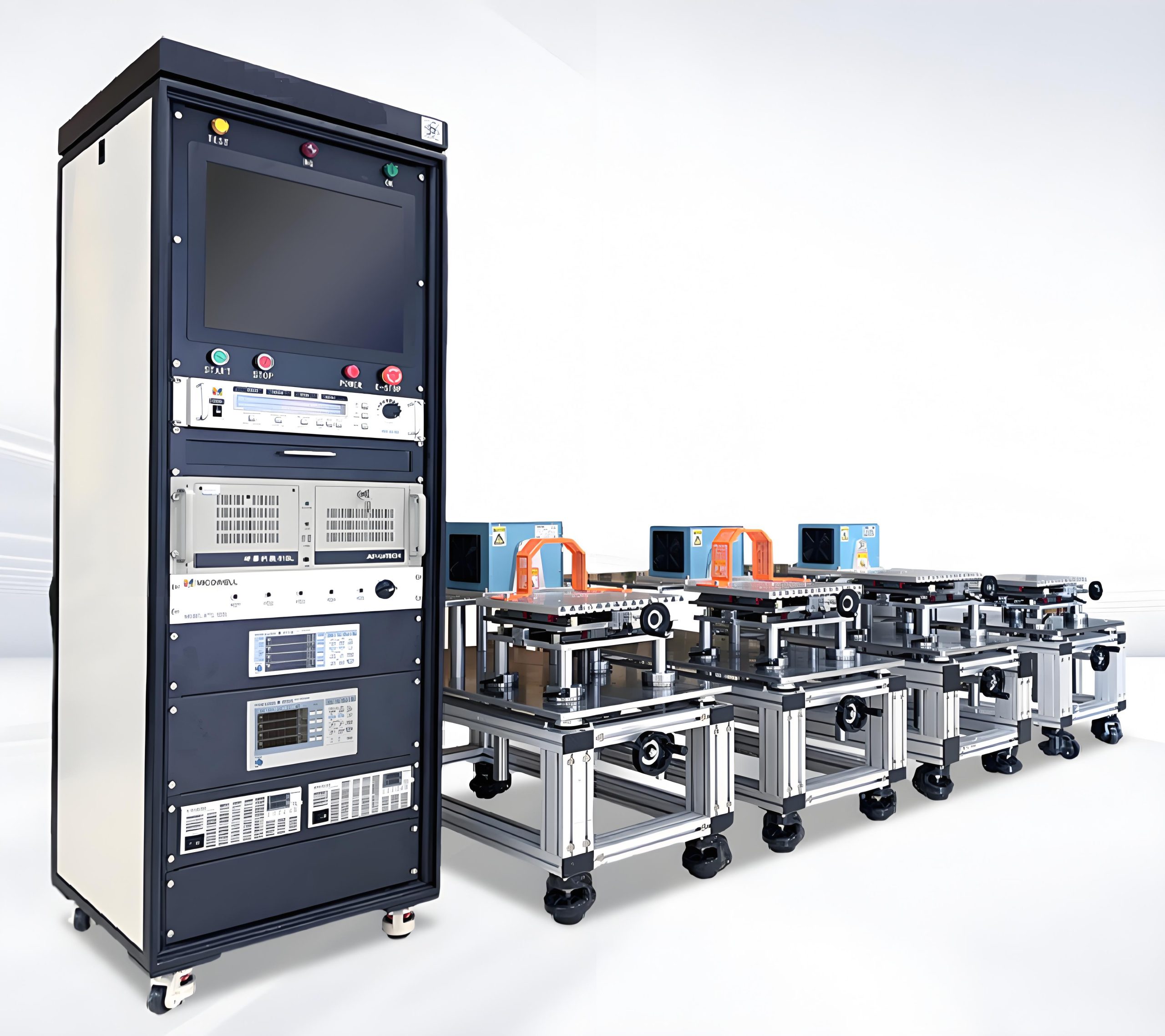
In aircraft component testing, hysteresis dynamometers simulate extreme conditions like sudden icing or aerodynamic stress. Their ability to maintain precise torque control at 20,000 RPM makes them invaluable for testing auxiliary power units and flight control actuators.
Consumer Electronics
The silent operation of hysteresis systems proves essential when testing vibration-sensitive devices like drone propulsion systems or hard disk drive motors. Engineers can detect micron-level imbalances that traditional mechanical systems might mask with their own vibrations.
EMERGING TRENDS IN MOTOR TESTING TECHNOLOGY
As industries push toward smarter manufacturing, motor test systems are embracing IoT integration and machine learning. Modern hysteresis dynamometers now come equipped with predictive maintenance capabilities, analyzing magnetic field stability to forecast bearing wear or coil degradation months in advance.

Another breakthrough involves hybrid systems combining hysteresis and eddy current technologies. These configurations offer expanded torque ranges without sacrificing resolution, enabling single-test solutions for applications ranging from tiny servo motors to industrial-scale hydroelectric generators.
CONCLUSION: CHOOSING THE RIGHT TESTING PARTNER
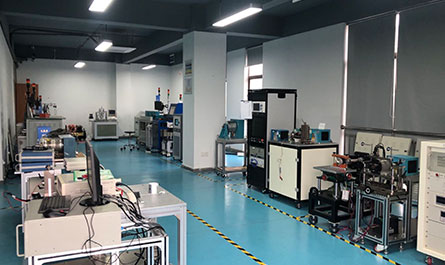
Selecting hysteresis brakes, dynamometers, or full motor test systems requires careful consideration of application specifics. Key factors include torque range, rotational speed compatibility, thermal management requirements, and data integration capabilities. Leading Drive system accuracy testing offer customizable solutions, allowing clients to scale systems as their testing needs evolve.
In a world where mechanical efficiency directly correlates with environmental sustainability and economic viability, investing in advanced testing infrastructure isn’t just prudent—it’s imperative. Whether you’re refining an electric motorcycle’s powertrain or ensuring the reliability of life-saving medical equipment, hysteresis-based technologies provide the accuracy and durability needed to turn innovative concepts into market-ready realities.
As industries continue their march toward electrification and automation, one truth remains constant: The quality of your testing systems determines the quality of your products. By embracing hysteresis technology and modern motor test methodologies, forward-thinking enterprises position themselves not just to meet current standards, but to define tomorrow’s benchmarks.

Public Last updated: 2025-03-25 01:33:06 AM