Enhancing Elegance with Cultured Stone Columns
Cultured stone columns have long been a popular architectural element used to enhance the elegance and grandeur of buildings. These majestic columns provide a timeless and sophisticated look that can elevate the aesthetic appeal of any structure, whether it be a residential home, a commercial building, or a public monument. In this article, we will explore the history, characteristics, benefits, and installation methods of cultured stone columns, as well as their role in contemporary design trends.
**History of Cultured Stone Columns**
The use of columns in architecture dates back to ancient civilizations, where they were not only functional but also symbolic of power, strength, and beauty. The Greeks and Romans, in particular, are renowned for their mastery of column design, with iconic examples such as the Parthenon in Athens and the Colosseum in Rome showcasing the enduring legacy of classical architecture.
In more recent history, the Industrial Revolution led to advancements in construction materials and techniques, including the development of cultured stone. Cultured stone, also known as manufactured stone or faux stone, is a man-made material that replicates the look and feel of natural stone. By combining cement, aggregates, and pigments, manufacturers are able to create a versatile and durable product that can be molded into various shapes, including columns.
The use of cultured stone columns gained popularity in the 20th century as architects and designers sought to capture the elegance and beauty of traditional stone columns without the cost and weight associated with natural stone. Today, cultured stone columns are a common feature in both residential and commercial construction projects, offering a cost-effective and customizable alternative to their natural counterparts.
**Characteristics of Cultured Stone Columns**
Cultured stone columns are available in a wide range of styles, sizes, and finishes, making them a versatile choice for architects and designers. From sleek and modern designs to intricate and ornate details, cultured stone columns can be customized to suit the aesthetic preferences of any project.
One of the key characteristics of cultured stone columns is their lightweight nature, which makes them easier to transport, handle, and install compared to natural stone columns. This light weight also reduces the structural load on the building, allowing for greater flexibility in design and construction.
In addition to their weight, cultured stone columns are also highly durable and weather-resistant, making them suitable for both interior and exterior applications. Unlike natural stone, which can be prone to cracking, chipping, and fading over time, cultured stone columns maintain their appearance and integrity with minimal maintenance.
Furthermore, cultured stone columns offer a cost-effective alternative to natural stone, allowing for greater affordability without sacrificing quality or aesthetics. This makes them an attractive option for budget-conscious projects that still desire the elegance and sophistication of traditional stone columns.
**Benefits of Cultured Stone Columns**
There are several benefits to using cultured stone columns in architectural design. One of the primary advantages is their versatility in terms of design and customization. Cultured stone columns can be produced in a wide variety of shapes, sizes, and styles, allowing for creative freedom and flexibility in design.
Another benefit of cultured stone columns is their durability and low maintenance requirements. Unlike natural stone, which may require regular sealing, cleaning, and repairs, cultured stone columns are designed to withstand the elements and maintain their appearance over time with minimal upkeep.
Cultured stone columns also offer a more sustainable option compared to natural stone, as they are produced using a combination of natural and synthetic materials. This reduces the environmental impact of quarrying and mining natural stone, while still providing the aesthetic benefits of stone columns.
Additionally, the lightweight nature of cultured stone columns makes them easier and more cost-effective to transport, handle, and install. This can result in savings on labor and construction costs, as well as lower structural requirements for the building itself.
** culture stone for Cultured Stone Columns**
The installation of cultured stone columns requires careful planning and execution to ensure a seamless and durable finish. The following are common methods used for installing cultured stone columns:
1. **Pre-Installation Preparation**: Before installing cultured stone columns, it is important to prepare the site by ensuring a solid and level foundation. This may involve pouring concrete footings or using steel support structures to provide stability for the columns.
2. **Column Assembly**: Cultured stone columns are typically composed of multiple sections that are assembled on-site to create the desired height and design. Each section is carefully aligned and secured to ensure a seamless appearance.
3. **Attachment to Structure**: Once the columns are assembled, they are attached to the building structure using brackets, anchors, or adhesive. This step is crucial for ensuring the columns are securely fastened and able to support their own weight.
4. **Finishing Touches**: After the columns are installed, any gaps or seams are filled and smoothed to create a seamless transition between sections. Depending on the desired finish, additional detailing or painting may be applied to enhance the appearance of the columns.
5. **Maintenance**: To prolong the lifespan of cultured stone columns, regular maintenance is recommended, including cleaning with mild soap and water, inspecting for damage or wear, and resealing as needed to protect against moisture and UV exposure.
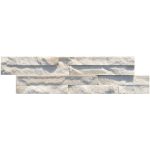
**Cultured Stone Columns in Contemporary Design Trends**
In recent years, cultured stone columns have become increasingly popular in contemporary design trends, as architects and designers seek to blend traditional elements with modern aesthetics. The versatility and customization options of cultured stone columns make them well-suited for a wide range of architectural styles, from classic and ornate to minimalist and sleek.
One emerging trend is the use of cultured stone columns as focal points in interior spaces, such as grand entrances, atriums, and living areas. By incorporating columns into the design, architects can create a sense of grandeur and sophistication that elevates the overall ambiance of the space.
Another popular application of cultured stone columns is in outdoor living spaces, such as patios, pergolas, and garden structures. Cultured stone columns can add a touch of elegance and luxury to outdoor environments, creating a seamless transition between indoor and outdoor living areas.
Furthermore, the trend towards sustainable and eco-friendly design has led to an increased interest in using cultured stone columns as a green building material. By choosing manufactured stone over natural stone, architects can reduce the environmental impact of their projects while still achieving the desired aesthetic and structural benefits of stone columns.
In conclusion, cultured stone columns are a versatile and cost-effective architectural element that can enhance the elegance and sophistication of any building. With their durable, lightweight, and customizable nature, cultured stone columns offer a practical and stylish alternative to natural stone, making them a popular choice for designers and homeowners alike. Whether used in traditional or contemporary design schemes, cultured stone columns are sure to make a lasting impression and elevate the aesthetic appeal of any space.
**History of Cultured Stone Columns**
The use of columns in architecture dates back to ancient civilizations, where they were not only functional but also symbolic of power, strength, and beauty. The Greeks and Romans, in particular, are renowned for their mastery of column design, with iconic examples such as the Parthenon in Athens and the Colosseum in Rome showcasing the enduring legacy of classical architecture.
In more recent history, the Industrial Revolution led to advancements in construction materials and techniques, including the development of cultured stone. Cultured stone, also known as manufactured stone or faux stone, is a man-made material that replicates the look and feel of natural stone. By combining cement, aggregates, and pigments, manufacturers are able to create a versatile and durable product that can be molded into various shapes, including columns.
The use of cultured stone columns gained popularity in the 20th century as architects and designers sought to capture the elegance and beauty of traditional stone columns without the cost and weight associated with natural stone. Today, cultured stone columns are a common feature in both residential and commercial construction projects, offering a cost-effective and customizable alternative to their natural counterparts.
**Characteristics of Cultured Stone Columns**
Cultured stone columns are available in a wide range of styles, sizes, and finishes, making them a versatile choice for architects and designers. From sleek and modern designs to intricate and ornate details, cultured stone columns can be customized to suit the aesthetic preferences of any project.
One of the key characteristics of cultured stone columns is their lightweight nature, which makes them easier to transport, handle, and install compared to natural stone columns. This light weight also reduces the structural load on the building, allowing for greater flexibility in design and construction.
In addition to their weight, cultured stone columns are also highly durable and weather-resistant, making them suitable for both interior and exterior applications. Unlike natural stone, which can be prone to cracking, chipping, and fading over time, cultured stone columns maintain their appearance and integrity with minimal maintenance.
Furthermore, cultured stone columns offer a cost-effective alternative to natural stone, allowing for greater affordability without sacrificing quality or aesthetics. This makes them an attractive option for budget-conscious projects that still desire the elegance and sophistication of traditional stone columns.
**Benefits of Cultured Stone Columns**
There are several benefits to using cultured stone columns in architectural design. One of the primary advantages is their versatility in terms of design and customization. Cultured stone columns can be produced in a wide variety of shapes, sizes, and styles, allowing for creative freedom and flexibility in design.
Another benefit of cultured stone columns is their durability and low maintenance requirements. Unlike natural stone, which may require regular sealing, cleaning, and repairs, cultured stone columns are designed to withstand the elements and maintain their appearance over time with minimal upkeep.
Cultured stone columns also offer a more sustainable option compared to natural stone, as they are produced using a combination of natural and synthetic materials. This reduces the environmental impact of quarrying and mining natural stone, while still providing the aesthetic benefits of stone columns.
Additionally, the lightweight nature of cultured stone columns makes them easier and more cost-effective to transport, handle, and install. This can result in savings on labor and construction costs, as well as lower structural requirements for the building itself.
** culture stone for Cultured Stone Columns**
The installation of cultured stone columns requires careful planning and execution to ensure a seamless and durable finish. The following are common methods used for installing cultured stone columns:
1. **Pre-Installation Preparation**: Before installing cultured stone columns, it is important to prepare the site by ensuring a solid and level foundation. This may involve pouring concrete footings or using steel support structures to provide stability for the columns.
2. **Column Assembly**: Cultured stone columns are typically composed of multiple sections that are assembled on-site to create the desired height and design. Each section is carefully aligned and secured to ensure a seamless appearance.
3. **Attachment to Structure**: Once the columns are assembled, they are attached to the building structure using brackets, anchors, or adhesive. This step is crucial for ensuring the columns are securely fastened and able to support their own weight.
4. **Finishing Touches**: After the columns are installed, any gaps or seams are filled and smoothed to create a seamless transition between sections. Depending on the desired finish, additional detailing or painting may be applied to enhance the appearance of the columns.
5. **Maintenance**: To prolong the lifespan of cultured stone columns, regular maintenance is recommended, including cleaning with mild soap and water, inspecting for damage or wear, and resealing as needed to protect against moisture and UV exposure.
**Cultured Stone Columns in Contemporary Design Trends**
In recent years, cultured stone columns have become increasingly popular in contemporary design trends, as architects and designers seek to blend traditional elements with modern aesthetics. The versatility and customization options of cultured stone columns make them well-suited for a wide range of architectural styles, from classic and ornate to minimalist and sleek.
One emerging trend is the use of cultured stone columns as focal points in interior spaces, such as grand entrances, atriums, and living areas. By incorporating columns into the design, architects can create a sense of grandeur and sophistication that elevates the overall ambiance of the space.
Another popular application of cultured stone columns is in outdoor living spaces, such as patios, pergolas, and garden structures. Cultured stone columns can add a touch of elegance and luxury to outdoor environments, creating a seamless transition between indoor and outdoor living areas.
Furthermore, the trend towards sustainable and eco-friendly design has led to an increased interest in using cultured stone columns as a green building material. By choosing manufactured stone over natural stone, architects can reduce the environmental impact of their projects while still achieving the desired aesthetic and structural benefits of stone columns.
In conclusion, cultured stone columns are a versatile and cost-effective architectural element that can enhance the elegance and sophistication of any building. With their durable, lightweight, and customizable nature, cultured stone columns offer a practical and stylish alternative to natural stone, making them a popular choice for designers and homeowners alike. Whether used in traditional or contemporary design schemes, cultured stone columns are sure to make a lasting impression and elevate the aesthetic appeal of any space.

Public Last updated: 2025-05-17 04:51:59 AM