CBD for Inflammation After Hunting: Real Relief or Just Hype?
The alarm on my phone goes off at 3:30 am. It’s a sound that triggers a very specific, Pavlovian response in my nervous system—a mix of adrenaline, muscle stiffness from the previous day’s grind, and the cold reality of mountain air. If you’ve spent a decade chasing elk in the high country or sitting in a frozen whitetail stand until your boots feel like blocks of ice, you know the drill. You aren't just "hunting"; you are engaging in a sustained athletic output that makes a standard gym workout look like a warm-up.
I’ve spent years as a wildland EMT, and I’ve seen what happens when the human body is pushed past its limit without proper recovery. I’ve packed out enough quarters of bull elk to know that the heavy lifting is only half the battle. The other half? It happens in the dark, usually between 4:00 am starts and late-night gear prep. And let’s be honest: if you aren't managing your recovery, you’re just waiting for an injury to end your season.
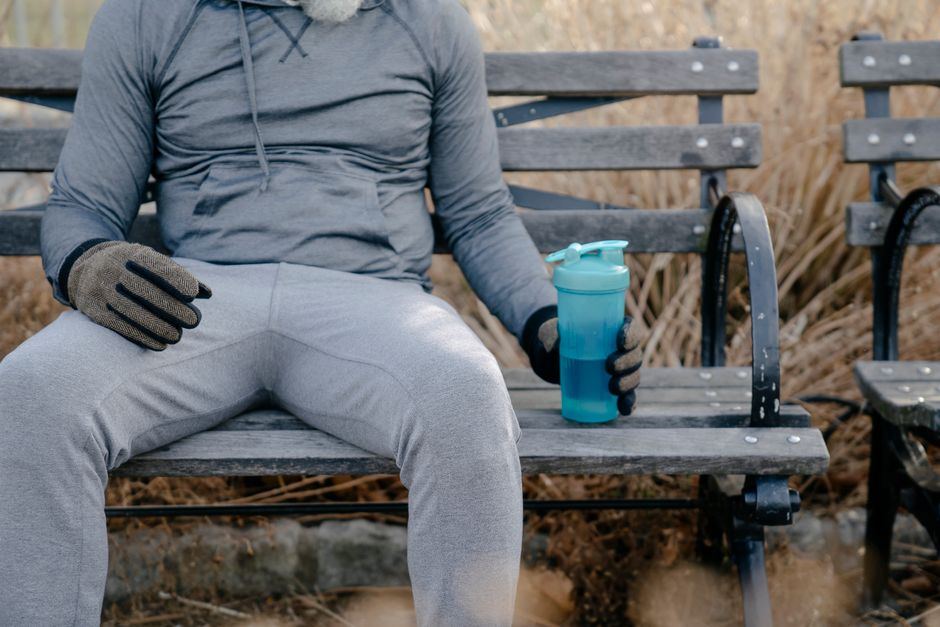
Lately, everyone and their brother is talking about CBD. You see it at the checkout counter, in high-end magazines, and yes, even mentioned in the pages of the North American Bow Hunter. But is it actual medicine for the hunter, or is it just another piece of marketing fluff designed to sell overpriced bottles to guys who are already exhausted?
Understanding the Bowhunting Load: It’s Not Just "Exercise"
If I hear one more person talk about "optimal heart rate zones" while ignoring the fact that you’re hauling 80 pounds of meat up a 40-degree incline in mud, I might lose it. Bowhunting isn't about training for aesthetics; it’s about mechanical efficiency and systemic resilience. When you are out there for days on end, you are dealing with massive amounts of exercise-induced inflammation.
The micro-tears in your muscle fibers, the systemic stress on your joints, and the oxidative load from being at altitude—this is the reality of the hunt. Most people ignore this until they hit a wall. One of the biggest mistakes I see guys make—especially when the temps drop—is forgetting their hydration strategy. They think because they aren't "sweating" in the cold, they don't need electrolytes. That’s a one-way ticket to cramping and systemic failure. I keep my electrolyte packets in the same side-pouch as my game bags for a reason. You have to replace those minerals, or your recovery will lag behind for hours, not just minutes.
The Science: What Does the Data Actually Say?
I don’t have time for snake oil. As a former EMT, if it isn't backed by something more substantive than an Instagram influencer, I’m out. When looking into CBD, I didn't turn to fitness blogs; I turned to the literature, specifically studies published in outlets like The Permanente Journal. The research suggests that while CBD isn't going to "cure" a torn ACL, it has shown promise in managing anxiety and sleep quality—two massive components of the recovery puzzle.
The anti-inflammatory properties of cannabinoids are well-documented in pre-clinical trials, but in the field, we are looking shoulder mobility for better aim for something else: the ability to transition from "go-mode" (the high-alert state required to spot a buck) to "recovery-mode" (the state required to actually repair muscle tissue).
The "Recovery in Minutes" Philosophy
I’ve learned the hard way that recovery isn't measured in "hours of sleep." That’s a false metric. You can sleep for eight hours and still wake up feeling like you were dragged behind a truck if the quality of those hours was trash. Recovery is about those critical minutes where your central nervous system (CNS) shifts into a parasympathetic state. If you stay wound up, your heart rate remains elevated, and your cortisol levels spike. You aren't recovering; you’re just resting.
This is where I’ve found CBD to be a practical tool. By using something like Joy Organics organic CBD gummies, I’ve found that I can nudge my nervous system down a gear. It isn't a "magic" instant fix, and if anyone tells you that, they’re selling you fluff. It’s an assist. It helps shorten the time it takes to stop my brain from re-playing that missed shot at 3:30 am and actually settle into deep, restorative sleep.
Comparison of Recovery Modalities
I’m a proponent of a layered approach to recovery. You don't rely on one thing. Here is how I stack my recovery tools during the season:

Tool Primary Benefit My "Pro-Tip" Electrolyte Packets Hydration & Nerve Signaling Never wait until you're thirsty in cold weather. Drink them at 4:00 am. Joy Organics CBD Gummies CNS Regulation & Sleep Quality Take them 30 minutes before bed; keep them on your nightstand. Active Compression Lymphatic Drainage Use these after the pack-out, not during the hunt. Protein/Amino Acids Tissue Repair The building blocks; don't skip the night-time shake.
Why I Keep Them on the Nightstand
You might wonder why I emphasize keeping supplements on the nightstand. It’s simple: consistency. When you’ve been glassing for 14 hours and your legs are burning, the last thing you want to do is hunt for a bottle in your pack. If the supplements aren't right there, you won't take them. I’ve built a habit: alarm set for 4:00 am, water bottle filled, and my nightly support tools within arm's reach.
By integrating CBD gummies into that nightly ritual, I’m not asking for a miracle. I’m asking for a reliable way to signal to my body that the hunt is paused, not over. Managing exercise-induced inflammation requires a consistent, multi-pronged approach. You need to manage the electrolytes to keep the pumps working, the protein to mend the fibers, and the CNS support to ensure the sleep you get actually counts.
Is It Just Hype?
So, is CBD a cure-all? No. Is it worth the investment for someone putting 15+ miles a day on their boots? Absolutely, but only if you have your fundamentals dialed in. If you aren't drinking your electrolytes and you’re eating gas station food, CBD is just a Band-Aid on a bullet wound. But if you are already managing your nutrition and hydration, and you’re still finding that you can’t "turn off" at night, it’s a valid tool to keep in your kit.
When you're dealing with the kind of physical toll that serious bowhunting demands, every hydration guide for bowhunters minute of real, deep recovery is a victory. Don't fall for the marketing hype that promises you'll wake up feeling like you're 20 again. Instead, look for the tools that give you a slight edge in your recovery efficiency. It’s the difference between staying in the field for the full season or packing it in early because your body finally decided to quit.
Final Thoughts for the Hard-Charging Hunter
Listen, nobody is going to hand you a medal for grinding yourself into dust. The goal is to be effective in the field, not to be a martyr for the sport. If you find yourself hitting the wall at 3:30 am, look at your routine. Stop looking for the "technical" fix and start looking for the consistent, boring, repeatable habits. Stay hydrated, keep your recovery tools visible and ready, and acknowledge that recovery is a performance requirement, not an optional luxury.
Stay focused, stay hydrated, and for the love of everything, watch your footing on those dark pack-outs. See you on the trail.
Public Last updated: 2026-06-12 10:52:59 PM