Quiz: How Much Do You Know About Penguin Clit Sucker?
Decoding Penguin Courtship: Beyond the Myth of the "Clit Sucker"
Penguins, with their tuxedoed look and charming waddle, have actually captured human hearts for generations. Typically depicted as signs of monogamy and dedicated moms and dads, their lives underneath the icy veneer of the Antarctic and other Southern Hemisphere areas are much more intricate and interesting than many realize. While pop culture might in some cases streamline or even sensationalize animal behavior, diving into the realities of penguin breeding reveals a world of detailed rituals, biological imperatives, and behaviors that are just starting to be fully understood. This post aims to check out the subtleties of penguin courtship and breeding, moving beyond simple or possibly deceptive descriptions to offer a more comprehensive and clinically grounded perspective, even discussing the often-misunderstood elements of female sexual stimulation in the bird world.
To begin, it's essential to comprehend that penguin mating is not a casual affair. It's a carefully managed procedure deeply linked with survival and the extension of their types. For numerous penguin types, breeding season is a time of extreme activity, marked by long journeys to reproducing grounds, strong competition for mates and nesting websites, and fancy courtship screens. These display screens serve several functions: drawing in a partner, solidifying pair bonds, and making sure reproductive compatibility.
The Art of Penguin Courtship: A Symphony of Behaviors
Penguin courtship is a phenomenon in itself, differing somewhat across various species, however usually involving a mix of auditory, visual, and tactile signals. Male penguins are generally the initiators, showing up at reproducing nests first and developing areas. Once areas are protected, they start their attempts to draw in females. These efforts frequently involve:
- Vocalizations: Penguins are extremely vocal animals, and their calls play an essential function in courtship. Males utilize distinct calls, often explained as braying, honking, or trumpeting, to reveal their existence and bring in females. These calls are species-specific and can even be individually identifiable, assisting in mate acknowledgment in subsequent years. The quality and strength of the call can indicate the male's health and vitality to possible mates.
- Visual Displays: Posturing and specific movements are important to penguin courtship. Males might take part in head-shaking, bowing, and preening screens. Some types, like the Emperor Penguin, perform fancy dances involving integrated movements and vocalizations. These visual hints enable women to examine a male's coordination and overall physical fitness.
- Present Giving: Perhaps among the most lovely aspects of penguin courtship is the offering of gifts. In lots of types, males present women with pebbles. These pebbles are essential for nest structure, and a generous present shows the male's capability to contribute to the nesting effort and offer the future offspring. The size and quality of the pebble may be indicative of the male's expertise as a company.
- Mutual Preening: Once a set begins to form, mutual preening ends up being a typical sight. This behavior strengthens the set bond and reinforces social cohesion. It likewise serves a useful purpose, helping to keep plumes clean and in ideal condition.
These courtship rituals are not almost drawing in a mate; they are also about evaluating mate quality and ensuring that the set is synchronized for the demanding job of raising chicks. Effective courtship leads to pair development, which in numerous penguin species, can last for multiple breeding seasons, although "divorce" does happen and is more common in some types than others.
The Act of Mating: A Quick and Efficient Affair
As soon as a set bond is developed, mating generally follows. Unlike mammals, birds, consisting of penguins, lack a penis in the exact same way. Instead, they count on a "cloacal kiss" for sperm transfer. The cloaca is a multi-purpose opening used for excretion and reproduction in birds.
The breeding procedure itself is frequently surprisingly quick, particularly when compared to the intricate courtship rituals. The female penguin will generally crouch down, signaling her preparedness to mate. The male will then mount her back, using his strong claws to grip her feathers for balance. He will then place his cloaca versus hers, and a quick transfer of sperm happens. This cloacal contact, while short, is adequate for fertilization.
Dealing with the "Clit Sucker" Notion: Understanding Female Stimulation
The term "penguin clit sucker" is a crude and likely inaccurate simplification that might originate from observations of penguin breeding habits and a desire to discover parallels with human sexuality. It's crucial to approach this topic with scientific precision and avoid anthropomorphization.
While penguins do not have lips to "suck" in a mammalian sense, the question of female sexual stimulation in birds, consisting of penguins, is a legitimate area of scientific questions. Research into avian reproductive biology is ongoing, and our understanding of female orgasm and clitoral function in birds is still developing.
Here's what we know and can presume:
- Clitoral Presence: Female birds, including penguins, do possess a clitoris. For a long period of time, it was believed that birds did not have a clitoris, but current research using improved anatomical techniques has actually verified its existence in different avian species.
- Prospective for Stimulation: While direct evidence of "clitoral sucking" in penguins is lacking and highly improbable offered their anatomy, it's plausible that some habits throughout courtship or breeding might supply tactile stimulation to the female cloacal region, that includes the clitoris.
- Cloacal Contact and Pressure: During the cloacal kiss, there is direct physical contact in between the male and female cloacas. While the primary purpose is sperm transfer, this contact undoubtedly involves pressure and tactile sensations. It's conceivable that these feelings could add to female arousal or enjoyment.
- Pre-Copulatory Behaviors: Courtship behaviours, like mild nudging, nuzzling, or particular postures adopted by the male before installing, may also contribute in preparing the female for breeding and potentially supplying some kind of pre-copulatory stimulation.
However, it's crucial to avoid making conclusive statements without robust clinical proof. Associating human-like sexual habits and motivations to penguins based on minimal observation or anecdotal interpretations can be misleading. The term "clit sucker" is not clinically precise and most likely misrepresents the intricacy of penguin breeding.
Instead of concentrating on a potentially incorrect and sensationalized term, a more efficient approach is to acknowledge the growing scientific interest in female sexual enjoyment throughout the animal kingdom, including birds. Additional research is required to totally understand the function of the clitoris in avian reproduction and whether particular penguin habits contribute to female sexual stimulation.
Why Study Penguin Mating? Beyond Curiosity
Understanding penguin breeding habits is not simply about pleasing human interest. It has significant ramifications for preservation efforts and our more comprehensive understanding of animal habits.
- Preservation: Many penguin species are facing substantial threats due to climate change, habitat loss, and overfishing. Understanding their reproductive biology, including breeding success and breeding rates, is crucial for developing effective conservation methods.
- Comprehending Animal Behavior: Studying penguin courtship and breeding routines offers valuable insights into the advancement of animal communication, social behavior, and reproductive techniques. It helps us understand the diverse ways in which animals draw in mates, form pair bonds, and make sure the continuation of their types.
- Relative Biology: Comparing mating habits across various penguin species and with other bird types sheds light on the evolutionary pressures that form reproductive strategies and sexual choice in the bird world.
Conclusion: Appreciating the Complexity
Penguin breeding is a fascinating blend of fancy rituals, quick actions, and biological imperatives. While the concept of a "penguin clit sucker" is likely a misconception, it highlights the ongoing human fascination with animal sexuality and the desire to understand the complete spectrum of reproductive habits in the natural world. Moving beyond simplistic labels and focusing on strenuous clinical examination is essential for truly valuing the intricacy and wonder of penguin breeding, and for making sure the conservation of these renowned birds for generations to come. The world of penguin courtship is a pointer that even in apparently easy creatures, there exists an abundant tapestry of habits waiting to be further explored and comprehended.
Regularly Asked Questions (FAQs) about Penguin Mating:
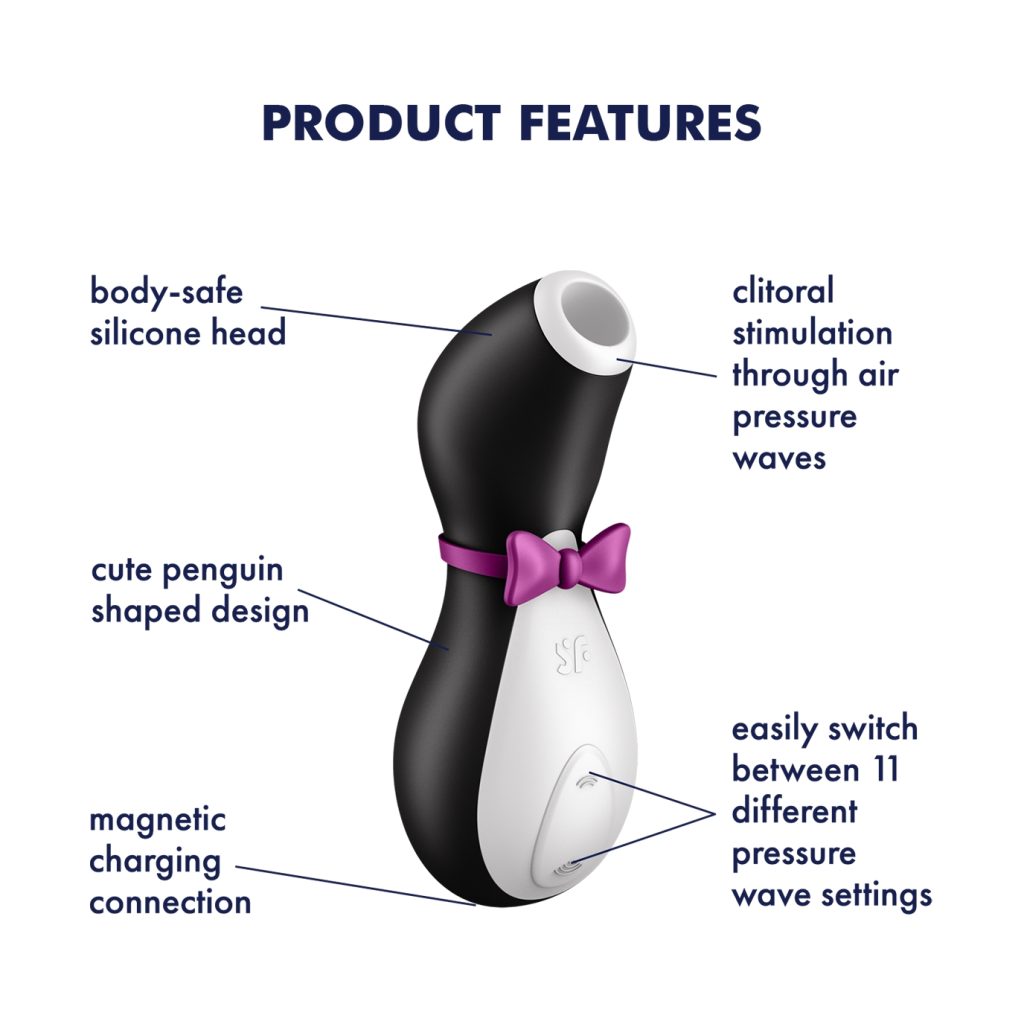
Q1: Are penguins monogamous?A: Many penguin species are socially monogamous, meaning they normally form set bonds with one partner for a breeding season. However, this does not always indicate long-lasting fidelity. pro penguin clitoral vibrator " can occur, and some penguins may change partners in subsequent years. Some types display higher rates of set fidelity than others.
Q2: How do penguins discover their mates?A: Male penguins usually come to reproducing nests initially and develop areas. They draw in women through vocalizations, visual screens, and gift-giving (pebbles). Females assess these screens to select a mate.
Q3: What is a "cloacal kiss"?A: A cloacal kiss is the method of sperm transfer in birds, including penguins. It includes the short compressing of the male and female cloacas (the multi-purpose opening for excretion and reproduction) to transfer sperm.
Q4: Do female penguins experience satisfaction throughout breeding?A: This is an intricate concern that scientists are still investigating. Female birds, including penguins, have a clitoris, and it's plausible that tactile stimulation throughout mating might provide some level of satisfaction. However, direct proof and understanding of avian female orgasm are still limited. The term "penguin clit sucker" is not scientifically accurate and is an oversimplification.
Q5: Why do male penguins give pebbles to women?A: Male penguins provide pebbles as presents during courtship. These pebbles are essential for nest structure. A good pebble gift demonstrates the male's ability to contribute to nest building and provide for the future offspring.
Q6: How long does penguin mating last?A: The actual act of cloacal kissing in penguins is really short, often lasting just a couple of seconds. However, the overall courtship and mating procedure involves a longer duration of set bonding and nest structure.
Q7: Where do penguins mate?A: Penguins mate on land, normally at their reproducing colonies. These colonies can be large and situated on beaches, rocky coasts, or even ice shelves, depending on the species.
Q8: Do all penguin species mate in the exact same method?A: While the general concepts of courtship and cloacal kissing are similar throughout penguin species, there are variations in specific courtship displays, vocalizations, and nesting behaviors depending upon the species.
Secret Penguin Courtship and Mating Behaviors:
- Vocalization: Species-specific calls to bring in mates and keep pair bonds.
- Visual Displays: Bowing, head-shaking, preening, and dances to display fitness and coordination.
- Pebble Gift Giving: Males offer pebbles to women for nest building.
- Shared Preening: Strengthens pair bonds and keeps plume health.
- Cloacal Kissing: The rapid transfer of sperm through cloacal contact.
- Nest Building: Collaborative effort by the set to create a nest for eggs.
By comprehending these fascinating aspects of penguin life, we can develop a deeper appreciation for these impressive birds and the difficulties they face in a changing world.

Public Last updated: 2025-03-19 11:28:45 PM