Somatic Therapy Exercises You Can Try at Home
Somatic therapy treats the body as a living archive of experience. Muscles, breath, posture, and even micro-movements hold pieces of our stories. In a therapy room, I have watched shoulders drop when a client finds the right boundary, and I have seen tears arrive the moment someone notices their feet again. The body remembers before the mind has language. Working with that memory at home can be a steadying part of trauma therapy, grief counseling, movement therapy, and even attachment therapy, so long as you move slowly, stay curious, and respect your own limits.
This guide distills practices I have taught and used for over a decade with people navigating panic after car accidents, grief after the death of a partner, numbness from burnout, and the chronic bracing that follows developmental trauma. None of these exercises is a cure-all. They are simple, practical tools for home practice that help regulate your nervous system, increase capacity for sensation, and create a more trusting relationship between body and mind.

What makes work “somatic”
Somatic therapy focuses on present-time bodily experience. Rather than analyzing what happened last year, you track what happens right now as you sit, stand, breathe, or move. This is not about performing the perfect form. It is about attending to sensation, noticing your impulse to tense or withdraw, and then allowing a little more choice. When paired with trauma therapy, this approach can reduce hyperarousal, intrusive symptoms, and shutdown by helping your system complete survival responses that were interrupted. In movement therapy settings, the same principles help restore flow and spontaneity. With grief counseling, somatic work creates room for the body to tremble, rock, and soften without getting overwhelmed. In attachment therapy, it offers safe ways to feel contact and boundaries, which are the raw materials of trust.
Good somatic practices are titrated. That means you only take in as much sensation as your system can handle comfortably, especially if you have complex trauma, dissociative symptoms, or chronic pain. When in doubt, make it easier, smaller, slower.
A quick word on safety, consent, and pacing
At home you are your own facilitator. That gives you freedom to pause, adjust, and skip anything that does not feel right today. Beginners sometimes think more intensity means more healing. It rarely does. Your nervous system learns with repetition and safety, not overwhelm. If panic, nausea, or flashbacks spike and do not settle within minutes, stop and orient to the room, sip water, or step outside for fresh air. If these reactions happen often, bring the exercises to a trained professional. In some cases, even gentle somatic practices need clinical support, particularly when there is a history of uncontrolled seizures, recent head injury, psychosis, or active substance intoxication.
A short safety checklist for home practice
- Choose a time when you are unlikely to be interrupted for at least 15 minutes.
- Sit or stand with a stable base, and make sure the room temperature is comfortable.
- Keep a glass of water or warm tea nearby and an object that feels pleasant to touch, like a smooth stone or soft scarf.
- Give yourself explicit permission to stop at any point for any reason, no justification needed.
- Track your state on a 0 to 10 scale before, during, and after, where 0 is numb or shut down and 10 is highly activated. Aim to stay between 3 and 6.
The orienting reflex: finding the room before finding yourself
One of the simplest and most effective somatic tools is orienting. Every animal scans its environment to determine safety. Most humans in stress forget to look. We narrow our gaze to a screen, the floor, or the problem in our head. Gentle orienting helps the nervous system register that this moment is different from the past one that hurt.
Settle into a seated position with your feet on the floor. Let your eyes wander with genuine interest, as if you are arriving somewhere you have never been. Choose one visual anchor that is pleasing, maybe a patch of light or a plant. Notice its color, edges, and distance. Sense the weight of your body on the chair. After a minute, let your gaze shift and be caught by something else. Include sound, texture, and temperature. The goal is not to relax on command. It is to update your system with accurate information: “I am here, now, and I can see what is around me.”
People with trauma sometimes find that orienting brings a brief spike of vigilance. That is normal. Stay with it in small doses and return to a neutral object in the room. If looking around increases discomfort, try orienting by feeling into the bones of your feet and the pressure where they meet the floor. Keep sessions short at first, two to three minutes.
The five-minute reset: breath, eyes, and weight
There are dozens of breath practices. In somatic work, utility beats performance. Three elements matter most: lengthening the exhale slightly, keeping the breath through the nose if possible, and letting the breath move low enough to nudge the diaphragm.
Nasal breathing tends to lower sympathetic arousal. A slightly longer exhale engages the parasympathetic network, which supports settling. When people push the breath deep into the belly, they sometimes create strain. Instead, imagine the breath widening in all directions around the lower ribs, like a belt expanding one notch.
Add a soft eye practice by widening your peripheral vision. Without moving your head, notice what you can see out of the corners of your eyes. That shift alone changes muscle tone through the neck and back, and many clients notice a drop of one to two points on their 0 to 10 scale within three minutes.
Then let gravity do half the work. Where does your weight rest, and where do you brace against it? If your shoulders creep up, let them be heavy enough to slide down an eighth of an inch. If your tongue is glued to the roof of your mouth, soften it and let the jaw hang loose for one breath. Small adjustments, not drastic ones, signal safety.
Pendulation: moving between comfort and discomfort
Pendulation is a central skill in somatic trauma therapy. It means you move your attention back and forth between a resource and a challenge. Instead of plunging into a painful sensation, you pair it with something that feels neutral or good. The nervous system learns to widen its range without getting stuck.
Choose a resource first. That could be the warmth of your hands, the feeling of a blanket on your legs, or a memory of standing in sunlight. Let your body feel that for 20 or 30 seconds. Then shift your attention to a mild discomfort, such as a knot in the shoulder or a flutter in the belly. Stay only as long as you can keep breathing with ease. When it grows more intense, return to the resource. Go back and forth two or three times. Most people notice that the discomfort changes subtly each round, sometimes with a tiny wave of heat, a tingling, or a spontaneous sigh.
I have used pendulation with clients who could not speak about a loss without shutting down. By moving between the sensation of their back against the chair and the ache in the sternum, their system learned that the ache was tolerable when held inside a known support. Over weeks, that practice made space for stories and tears without losing the floor.
Titration: the smallest dose that works
Titration comes from chemistry. In somatic therapy, it means you reduce the size and length of exposure to something charged. If thinking about the argument spikes you to an 8, shrink it. Picture only the front door, or only the sound of the key in the lock. If feeling into your belly brings up fear, place your hand there for just one breath and then take it away. The aim is to stop before overwhelm. People often report that they finally feel movement not because they pushed harder, but because they finally found a dose they could digest.
A practical tip: set a timer for two minutes when practicing a new exercise. Stop when it rings, even if you think you should go longer. Your body will tell you when to extend sessions. Clues that it is time include spontaneous yawns, a pleasant heaviness in limbs, or a clear desire to continue. Clues that it is time to stop include holding the breath, narrowing vision, or feeling pressured to keep going.
Grounding through the feet and hands
Hands and feet give fast access to the present. They carry a dense map of nerve endings and a rich motor connection to the rest of the body. Grounding works even for people who do not like “relaxation,” because it is mechanical and specific.

Sit upright and place your bare feet on the floor or a firm surface. Press your heel down just enough to feel the contact, then release. Roll through the outer edge of the foot, then the inner edge, noticing how your lower legs respond. Imagine you could breathe through the soles, not forcefully, just as a picture. Many people feel a direct change in heart rate and jaw tension when the feet wake up.
With hands, try a gentle squeeze and release. Wrap your right hand around your left wrist, firm but kind, and hold for five seconds. Feel the warmth and pressure, then release slowly. Reverse sides. If touch is uncomfortable because of attachment wounding or sensory sensitivity, use a soft cloth or even press against a pillow. The point is to feel containment, not to trigger anything.
Vibration, shaking, and the body’s reset
Most animals shake after threat. Humans often suppress that reflex because it looks odd or feels out of control. In movement therapy, inviting small, contained tremors can discharge stuck activation. Start tiny. Standing with knees soft, imagine your heels could flutter so lightly they barely lift from the floor. Let that echo upward. If larger shaking arrives, keep it slow enough to remain aware, and keep your eyes open. Some people prefer to sit and shake a foot or hand first. A few minutes can bring warmth and a feeling of relief. If shaking turns frantic or dissociative, stop and return to the feet or the room.
Another approach is pandiculation, the natural yawn-stretch you already do in the morning. Let your body yawn with the whole back, then melt out slowly. The slow release resets muscle length through the nervous system. Three rounds often soften chronic bracing better than static stretching.
Humming and vocal resonance
Vibration through the chest and throat signals safety for many people, which is why humming to a baby works. Try a low, comfortable hum on the exhale, like the VOO sound used in some somatic traditions. Keep the pitch that makes your sternum buzz. Do five to eight hums, resting between. Many clients with grief find that humming lets tears https://spiralsandheartspacehealing.com/contact come without tipping into sobbing. Vocal resonance also helps those who struggle with sleep. The body reads the long exhale and steady tone as a reason to downshift.
Boundaries and the push-pull reflex
Attachment therapy often starts with boundaries you can feel. People who grew up without reliable protection sometimes brace all the time or collapse too soon. A simple boundary exercise recalibrates the push-pull reflex.
Stand with your feet hip-width and your palms facing forward in front of your chest. Imagine a friendly person standing two arm lengths away. On the inhale, lightly press your palms forward a few inches, as if saying “not yet.” On the exhale, let the hands return. Notice what happens in your back and ribs. Then reverse the gesture. On the inhale, hook your fingers toward yourself a few inches, as if saying “come closer,” and on the exhale let go. Over a minute, find a rhythm that makes both options feel available. If the push feels strong and the pull feels weak, spend more time on the pull, and vice versa. In pairs, you can mirror each other at a distance, but at home you can still feel the boundary in your own tissues.
I have watched people who never felt entitled to say no find their first honest push in this practice. The shift shows up as a firming of the lower belly and a clearer voice later in the day.
A five-step orienting sequence for busy days
- Let your eyes wander and name three colors you see out loud or silently.
- Feel the contact of your seat and feet, and lengthen your exhale by one count.
- Place a hand on your sternum and hum once, keeping it low and easy.
- Sense the outline of your back against the chair or wall, and imagine it widening.
- Ask yourself, “What is one thing I can do more slowly right now?” and then do it.
Two or three rounds take under five minutes. If any step feels off, skip it. The sequence works because it stacks visual, interoceptive, and proprioceptive cues, which improves regulation faster than any one channel alone.
Grief needs room, rhythm, and ritual
Grief often moves like weather, not like a timeline. Somatic grief counseling aims to give it room without letting it sweep you away. Rocking helps. Sit and let your body find a small forward and back motion, timed with breath. People who feel stuck in numbness can add a light percussion on the thighs with the palms, right, left, right, left, for a minute or two. Those feeling flooded can wrap a blanket tight around the ribs, creating a firm container, and breathe so the blanket moves a little.
Objects hold stories. Choose one that connects to your person or loss, hold it, and notice what happens in your chest and throat. Pendulate with a resource when needed. A brief ritual can close a session, like lighting a candle and saying one sentence aloud. I have sat with widowers who did 10 minutes of rocking and humming each morning for 90 days. They did not stop missing their spouse, but they stopped bracing against the wave, and that changed everything.
When the body is numb or jumpy
Two common obstacles are hypoarousal, where you feel flat or foggy, and hyperarousal, where you feel wired or panicky. Somatic therapy offers different entry points for each state.
For numbness, go after gentle activation. Brisk rubbing of hands and forearms, a short walk indoors with attention to footfalls, or a 30-second cold water splash on the face can raise arousal just enough to feel more. Add orienting so you do not overshoot.
For jumpiness, lean on longer exhales, soft eyes, and feeling the back of your body. Lie on the floor with calves on a chair for five minutes and let your breath widen your lower ribs. Lower the volume in the room. If caffeine is in the mix, swap one cup for water and see what happens to your baseline after a week.
Working with chronic pain
Somatic practices do not replace medical care, but they can reduce the secondary tension that worsens pain. Titration matters even more here. People in pain often move less and guard more, which leads to even less movement. Choose micro-movements around, not inside, the pain. If your lower back hurts, you might gently sway your ribs or ankles while keeping the painful zone quiet. Tracking a 10 percent change counts. Many notice that simply putting a hand on the painful area and waiting for a temperature or texture change leads to a drop of one or two points on a pain scale. Be skeptical of any practice that demands pushing through pain for a payoff. That is usually a losing trade.
Adapting for attachment patterns
If you tend to avoid closeness, orient first, then try short bouts of self-contact that you initiate and stop on purpose. Try holding your own hand the way you would hold a friend’s, and release after 10 seconds even if you want to keep going. That stop builds agency, which makes contact safer.
If you tend to cling or fear abandonment, practice boundary-focused moves like the push gesture and stepping back from a wall by choice. End with a reliable form of contact such as a weighted blanket, which is there without needing anything from you. Keep sessions predictable. Attachment systems love rhythm.
Tracking progress without turning it into a test
Symptom reduction is important, but progress in somatic therapy also looks like more choice under stress. Track these signals over two to four weeks:
- Does my body remember to breathe when plans change?
- Do I notice a small pause before reacting?
- Can I feel my feet during a hard conversation?
- Do I recover faster after a spike of anger or sadness?
Write notes after practice, nothing fancy, two to three lines. If you like numbers, plot your pre and post 0 to 10 states each day for two weeks. Most people see a gradual shift of one to three points. Expect plateaus. They are normal. When change stalls, shorten sessions or switch practices. Sometimes the system needs novelty, sometimes it needs repetition.
Frequency, duration, and sequencing
Short and regular beats long and rare. Five to 15 minutes a day, four or five days a week, changes baselines more reliably than a single long session on Sunday. Sequence practices so that activation is sandwiched between orienting and settling. For example, orient for two minutes, do two minutes of light shaking, then two minutes of breath and hum. If you have therapy sessions, avoid heavy shaking the evening before if it tends to stir you up. Do grounding and orienting instead.
Working with kids and elders
Kids respond to games, not lectures. Play I spy for orienting, hop like a frog for activation, then make a beehive hum on the couch to settle. Keep it under 10 minutes. Elders may prefer seated versions with gentler tempos. Rocking in a sturdy chair, hand rubbing with lotion, and looking out a window to track birds are all somatic. Watch for dizziness, and avoid fast head movements if balance is an issue.
When to bring in a professional
At-home exercises can do a lot, but there are red flags. Get professional help if:
- You frequently dissociate or lose time during practice.
- Nightmares or panic escalate and do not respond to downshifting within 10 to 15 minutes.
- Touch or movement opens memories that feel unmanageable alone.
- Your medical conditions complicate breath or movement, such as severe asthma, post-concussion symptoms, or unstable joints.
In these cases, a therapist trained in somatic methods can titrate with you, track subtle shifts you might miss, and anchor you while you explore. If you are already in therapy for trauma, grief, or attachment issues, share which exercises help and which agitate. Coordination makes the work safer and faster.
A room that helps, not hinders
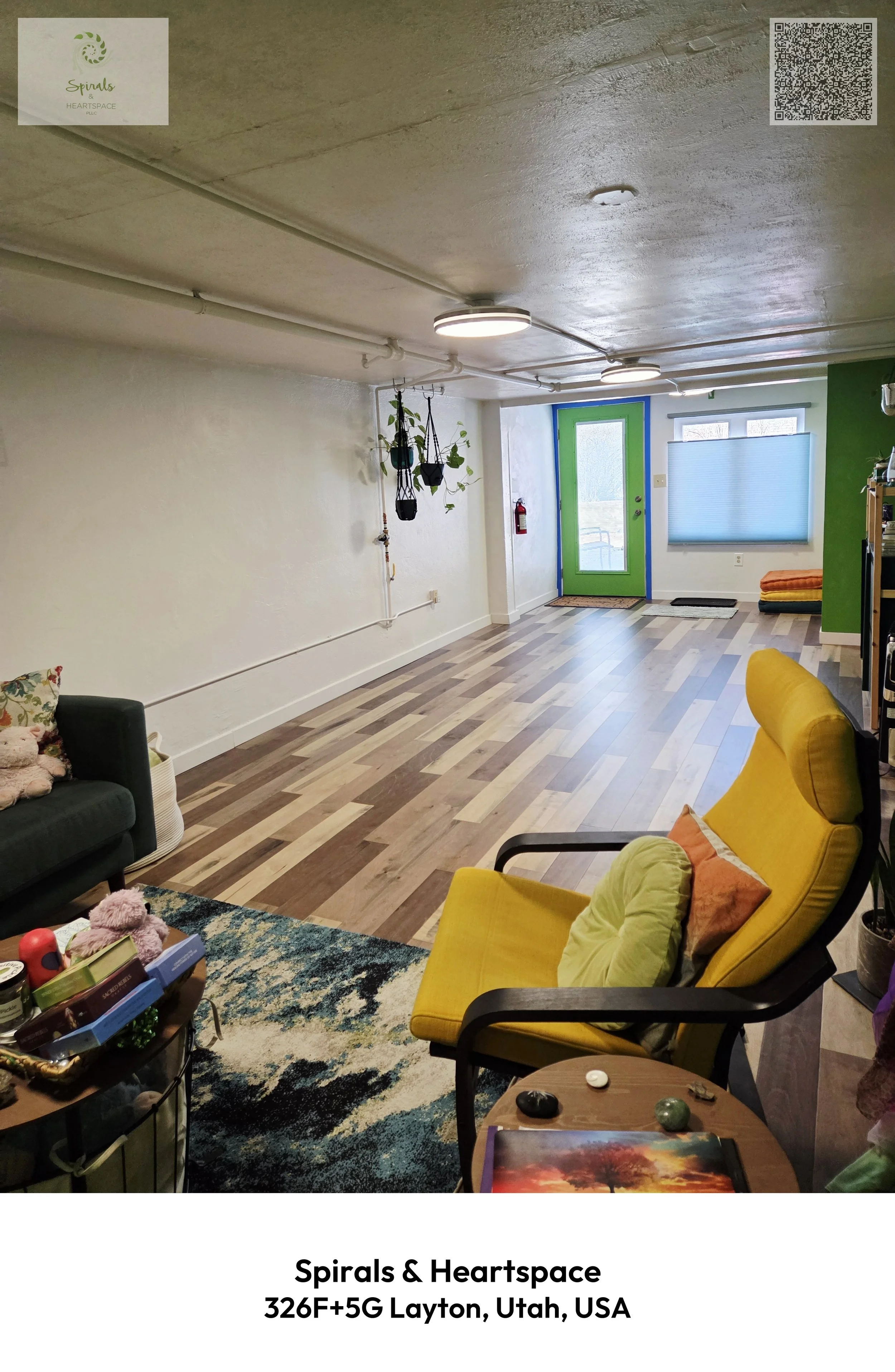
Environment influences outcomes. If possible, choose a consistent practice spot. Low visual clutter helps your orienting reflex. A plant, a textured rug, or a piece of art you genuinely like gives your eyes and hands something to enjoy. Good enough lighting reduces strain. Noise-canceling headphones or soft instrumental music can help if outside sounds are jangling, but silence is often best. If you live with others, a simple sign on the door during practice time reduces surprises. People often improve their regulation just by reducing the number of sudden startles in a week.
Why this matters beyond symptom relief
Somatic therapy does not ask you to believe anything. It asks you to notice. Over time, that noticing changes choices. You might leave a conversation two minutes earlier, take the side street to avoid the intersection that spikes you, or decide to sit on the ground after a long meeting because you need to feel your legs again. Those tiny choices accumulate. In my experience, clients report fewer flare-ups of chronic tension, steadier sleep, and more honest boundaries. People grieving find that the wave still comes, but it no longer knocks them under every time. People with attachment wounds find ways to say yes and no with their whole body.
Putting it together for the next month
Plan a simple four-week arc. Week one, orient and breathe daily for five minutes. Week two, add pendulation for two minutes. Week three, include gentle shaking or humming every other day. Week four, practice the boundary push-pull three times that week. Keep notes. Expect surprises. The body does not move in straight lines. It meanders. If you respect that pace, the work tends to deepen rather than fray.
Somatic therapy at home is not about perfect form. It is about learning to hear what your body says and answering with something kind, specific, and doable. Whether you are recovering from trauma, honoring grief, exploring attachment, or looking for steadier ground through movement therapy, these practices meet you where you are. Start small. Notice honestly. Stop while it is still working. Then let tomorrow be another chance to practice coming home to yourself.
Spirals & Heartspace
Name: Spirals & HeartspaceAddress: 534 W Gentile St, Layton, UT 84041
Phone: (385) 301-5252
Website: https://spiralsandheartspacehealing.com/
Hours:
Sunday: Closed
Monday: 9:30 AM – 7:00 PM
Tuesday: 9:30 AM – 7:00 PM
Wednesday: 9:30 AM – 7:00 PM
Thursday: 9:30 AM – 7:00 PM
Friday: 9:30 AM – 7:00 PM
Saturday: Closed
Open-location code / plus code: 326F+5G Layton, Utah, USA
Coordinates: 41.0604503, -111.9762128
Map/listing URL: https://www.google.com/maps/place/Spirals+%26+Heartspace/@41.0604503,-111.9762128,766m/data=!3m2!1e3!4b1!4m6!3m5!1s0x875303311f1d4d1b:0xc6859e5e3fceafe2!8m2!3d41.0604503!4d-111.9762128!16s%2Fg%2F11x781dbvb
Embed iframe:
Socials:
Instagram: https://www.instagram.com/spiralsheartspace/
LinkedIn: https://www.linkedin.com/company/spirals-and-heartspace-pllc
TikTok: https://www.tiktok.com/@spiralsheartspace
X: https://x.com/SpiralsHea61786
YouTube: https://www.youtube.com/@SpiralsHeartspace
The practice is led by Ande Welling, a licensed clinical mental health counselor with training in dance/movement therapy, somatic work, EMDR, trauma care, relational neuroscience, and embodied attachment.
Listed services include therapy, coaching, consultation, authentic movement, trauma therapy, somatic therapy, grief counseling, movement therapy, and attachment therapy.
The practice serves adults who want a deeper body-aware approach to trauma, anxiety, depression, grief, burnout, self-abandonment, family patterns, and relationship wounds.
Spirals & Heartspace offers both in-person sessions in Layton and online therapy for clients in Utah.
The practice is locally positioned for clients in Layton, Kaysville, Farmington, Syracuse, Clearfield, Clinton, Roy, Ogden, Bountiful, Davis County, and nearby northern Utah communities.
The office is listed at 534 W Gentile St in Layton, with public listing hours Monday through Friday from 9:30 AM to 7:00 PM.
Prospective clients can call (385) 301-5252 or visit https://spiralsandheartspacehealing.com/ to ask about consultation options, session fit, and scheduling.
The public map listing for Spirals & Heartspace can help clients verify the Gentile Street office before planning an in-person appointment.
Popular Questions About Spirals & Heartspace
What is Spirals & Heartspace?
Spirals & Heartspace is a Layton, Utah psychotherapy and coaching practice offering somatic, trauma-focused, expressive arts, movement-based, and attachment-informed support for adults.
Who is the therapist at Spirals & Heartspace?
The official site identifies Ande Welling as the therapist, coach, movement facilitator, and guide behind Spirals & Heartspace. Listed credentials include LCMHC, BC-DMT, NCC, GL-CMA, BSE, EMDR Trained, and CCTP-II.
Where is Spirals & Heartspace located?
The matching public listing and LinkedIn profile list the address as 534 W Gentile St, Layton, UT 84041.
Does Spirals & Heartspace offer online therapy?
Yes. The official FAQ states that therapy is available in person or through a HIPAA-compliant telehealth platform for clients who live in Utah.
What services does Spirals & Heartspace provide?
Listed services include therapy, coaching, consultation, authentic movement, trauma therapy, somatic therapy, grief counseling, movement therapy, and attachment therapy.
What makes somatic therapy different from traditional talk therapy?
The official Layton page explains that somatic therapy works with body sensations, movement, and physical experience because trauma and emotional patterns can be held in the nervous system, not only in thoughts.
Do clients need dance experience for movement therapy?
No. The official Layton FAQ says no dance training or special physical ability is required, and that movement therapy uses a client’s natural capacity for movement to access emotions and process experiences.
Does Spirals & Heartspace accept insurance?
The official FAQ says the practice does not take insurance directly, but may provide superbills or bill for out-of-network benefits when applicable. Clients should confirm current reimbursement options directly before scheduling.
What are Spirals & Heartspace’s listed hours?
The matching public listing shows Monday through Friday from 9:30 AM to 7:00 PM, with Saturday and Sunday closed. Appointment availability should be confirmed directly.
How can I contact Spirals & Heartspace?
Call (385) 301-5252, visit https://spiralsandheartspacehealing.com/, or use the listed social profiles: https://www.instagram.com/spiralsheartspace/, https://www.linkedin.com/company/spirals-and-heartspace-pllc, https://www.tiktok.com/@spiralsheartspace, https://x.com/SpiralsHea61786, and https://www.youtube.com/@SpiralsHeartspace.
Landmarks Near Layton, UT
Spirals & Heartspace is located on West Gentile Street in Layton, Utah, with in-person therapy available locally and online therapy available for Utah residents. Clients near these landmarks can call (385) 301-5252 or visit https://spiralsandheartspacehealing.com/ to ask about somatic therapy, trauma therapy, movement therapy, grief counseling, attachment therapy, and consultation options.
- 534 W Gentile St — The listed office address for Spirals & Heartspace; clients can use the map listing to verify the office before visiting.
- West Gentile Street — The local street connected with the practice’s Layton office location.
- Downtown Layton — A practical local reference point for clients navigating central Layton.
- Layton Hills Mall — A major Layton shopping landmark and useful orientation point for clients traveling through the city.
- Interstate 15 near Layton — A major northern Utah route that helps clients reach Layton from nearby Davis County communities.
- Layton FrontRunner Station — A transit landmark for clients traveling by commuter rail through Davis County.
- Ellison Park — A local park and community landmark in Layton.
- Great Salt Lake Shorelands Preserve — A major natural landmark west of Layton and a recognizable Davis County destination.
- Hill Air Force Base — A major regional landmark near Layton and Clearfield.
- Kaysville — A nearby Davis County city listed in the practice’s surrounding service area.
- Farmington — A nearby Davis County community included in the broader local service-area language.
- Ogden — A nearby northern Utah city; clients can ask whether online Utah therapy or in-person Layton sessions are the best fit.

Public Last updated: 2026-06-20 05:56:15 AM