Guarding Your Network: The Ransomware Identification Software for the Period
In today's digital landscape, malware has emerged as one of the most formidable threats to individuals and companies alike. With attacks becoming increasingly advanced, the importance of proactive defense mechanisms cannot be overemphasized. As cybercriminals continually improve their strategies to deploy malware that can lock sensitive data and demand hefty ransoms, having the necessary resources to detect and respond to these threats has never been more crucial.
Enter the realm of ransomware detection tools, designed to help companies protect their networks from these harmful attacks. From reliable antivirus and anti-malware solutions to advanced endpoint detection response systems, a wide array of technologies is available to protect against ransomware. Additionally, strong network security solutions, effective backup and recovery strategies, and specialized decryption and response tools play crucial roles in an organization's cybersecurity arsenal. In this article, we will explore the best ransomware detection tools of the year, providing you with insight to enhance your network security and reduce potential threats.
Leading Antivirus and Anti-Malware Solutions
Malware risks continue to change, making effective antivirus and anti-malware solutions essential for protecting networks. Leading providers offer sophisticated detection capabilities that not only detect known threats but also use machine learning to detect new and novel malware variants. A prominent player in this market is a leading antivirus provider, known for its comprehensive protection that proactively blocks ransomware attacks while ensuring minimal impact on system performance.
Another strong player is Malwarebytes, which specializes in finding and stopping ransomware that traditional antivirus programs may fail to catch. Its behavior-based detection technology tracks for suspicious activity in real time, enabling it to react rapidly to possible threats. Malwarebytes also includes functionalities such as ransomware rollback that can help recover files held during an attack, adding an extra layer of defense for users.
Finally, Norton provides comprehensive security solutions with features specifically crafted to combat ransomware. Its online backup option allows users to maintain protected copies of their essential data, ensuring that they can retrieve files without yielding to ransom demands. With continuous updates and a focus on easy-to-use interfaces, Norton remains a popular choice for individuals and companies looking to secure their systems against ransomware risks.
Effective Device Detection and Response
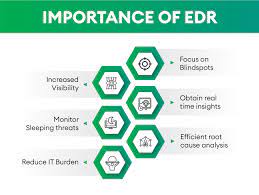
Effective Endpoint-based Detection and Reaction (EDR) tools play a significant role in identifying and reducing malware threats. These tools continuously monitor endpoint systems for questionable actions, offering organizations with the capability to swiftly respond to possible breaches. By gathering and analyzing various data points, EDR tools can detect unusual behavior that may suggest a ransomware attack is ongoing, allowing security teams to act promptly and prevent additional damage.
One of the main advantages of EDR solutions is their ability to provide thorough visibility into all endpoint activities. This means security professionals can not only see documents being used but also understand the context in which they are being accessed. With advanced analytics and machine learning integration, these tools can distinguish between benign activities and genuine threats more efficiently. This precision is critical for minimizing incorrect alerts and ensuring that valuable resources are directed toward real security incidents.
In addition to identification, EDR solutions often include robust response capabilities that enhance incident handling. When a ransomware threat is identified, these solutions can automate containment processes, isolate affected endpoints, and initiate remediation actions—all of which help to limit the spread of the attack. The combination of immediate monitoring, intelligent analytics, and automated responses makes EDR an essential component of any modern cybersecurity strategy aimed at fighting ransomware attacks.
Robust Backup and Restoration Plans
A detailed data backup and restoration strategy is vital for reducing the effects of ransomware attacks. Regularly timed data storage ensure that critical information is kept in a protected manner, providing entities with a reliable way to bring back their systems to a prior condition. It is vital to have both complete and partial backups so that restoration can take place without significant loss of information. Storing data copies offline or in a different protected location minimizes the risk of them being damaged by malware, preserving a uncontaminated version of the information.
In moreover to routine data storage, companies should also implement robust verification procedures to verify the accuracy and recoverability of backup information. This means planned exercises to restore data from backups, ensuring that the methods and procedures work well when genuinely needed. By engaging in these exercises, potential weaknesses in the data storage infrastructure can be identified and resolved beforehand. This practice not only enhances confidence in the data storage system but also enhances overall incident response readiness.
Finally, utilizing modern data backup technologies that include integrated malware detection can additionally enhance recovery plans. These technologies often incorporate machine learning models to detect anomalies in information changes, notifying managers when suspicious behavior is observed. Coupling Endpoint detection response with a carefully planned recovery strategy ensures that businesses can swiftly return to business-as-usual while minimizing inactive time and data loss in the case of a malware attack.
Public Last updated: 2025-07-26 05:20:42 AM