How to Insulate Your Pole Barn Garage for Year-Round Comfort
Introduction
In recent years, the popularity of pole barn garages has surged, becoming a favored choice for homeowners looking for versatile, durable, and spacious storage solutions. However, one common issue many owners face is maintaining a comfortable environment within these structures throughout the year. Proper insulation plays a crucial role in ensuring that your pole barn garage remains cozy in winter and cool in summer. This article will provide you with a comprehensive guide on how to insulate your pole barn garage for year-round comfort, covering everything from materials and methods to installation techniques and maintenance.
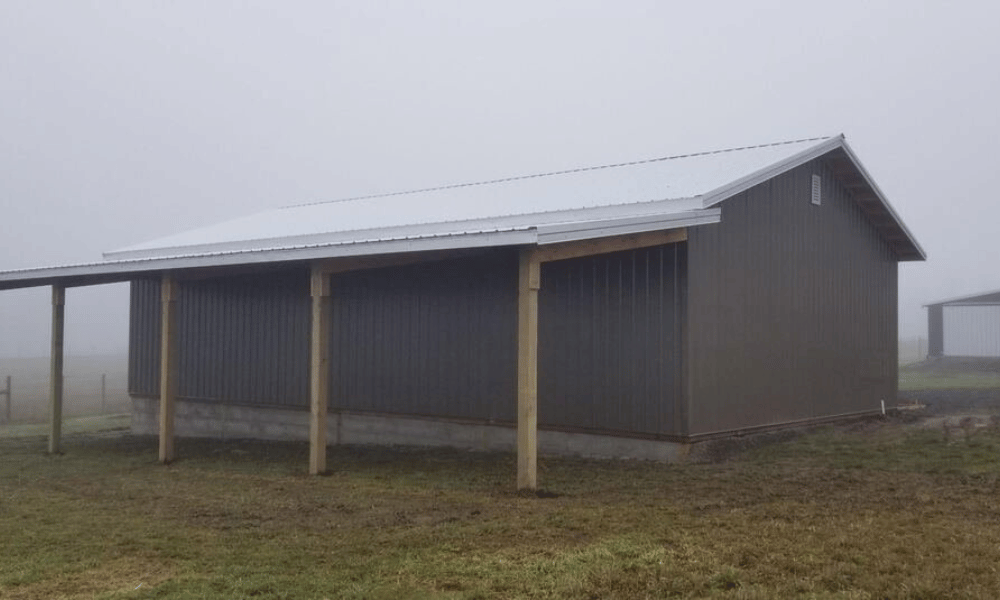
Understanding Pole Barn Garages What is a Pole Barn Garage?
A pole barn garage is a type of structure built using post-frame construction techniques. The main framework consists of large poles or posts embedded deep into the ground, supporting the building's walls and roof. This method results in strong, durable buildings that can be customized to various sizes and styles.
Advantages of Using Pole Barn Garages Cost-Effective: Compared to traditional garages, pole barns are generally less expensive to construct. Quick Construction: With fewer materials required, pole barn garages can often be built much faster than conventional structures. Versatility: These garages can serve multiple purposes—from vehicle storage to workshops or even living spaces. Disadvantages of Pole Barn Garages
While pole barn garages offer numerous benefits, they also come with some drawbacks:
Temperature Regulation: Without proper insulation, temperature fluctuations can make these structures uncomfortable. Durability Concerns: If not constructed correctly or maintained properly, they may suffer from wear over time. The Importance of Insulation Why Insulate Your Pole Barn Garage?
Insulating your pole barn garage is essential for several reasons:
Energy Efficiency: Proper insulation minimizes heat loss in winter and heat gain in summer, leading to lower energy bills. Comfort: Insulation helps maintain a stable internal temperature regardless of external weather conditions. Moisture Control: Well-insulated garages reduce condensation and moisture buildup, protecting stored items from damage. Different Types of Insulation Materials
When it comes to insulating your pole barn garage, you have various options available:
1. Fiberglass Batts
Fiberglass batts are one of the most commonly used insulation materials due to their effectiveness and affordability.
2. Spray Foam Insulation
Spray foam expands upon application, creating an airtight seal that provides excellent thermal resistance.
3. Rigid Foam Board
Rigid foam board insulation offers high R-value per inch and is suitable for both walls and ceilings.
4. Reflective or Radiant Barrier
This type of insulation reflects heat away from the living space during hot weather conditions.
How to Choose the Right Insulation Material?
Choosing the appropriate insulation material depends on several factors:
Climate: Consider your local climate when selecting insulation; colder regions may require more robust options like spray foam. Budget: While some materials may have higher upfront costs (e.g., spray foam), they could save you money on energy bills over time. Application Area: Some materials are better suited for specific areas—like attics versus walls—so consider where you'll be applying them. Preparing Your Pole Barn Garage for Insulation Step-by-Step Preparation Guide
Before beginning the insulation process, follow these steps:
Clean the Space: Remove any clutter or debris from your garage. Inspect for Damage: Check for any structural issues that need addressing before adding insulation. Seal Gaps and Cracks: Use caulk or expanding foam to seal any visible gaps around doors, windows, or between wall panels. Tools Needed for Insulating Your Garage
To effectively insulate your pole barn garage, gather these tools:
Measuring tape Utility knife Staple gun Safety goggles Respirator mask (for spray foam applications) How to Insulate Your Pole Barn Garage for Year-Round Comfort
Now that you're prepared let's delve into the actual installation process:
1. Installing Fiberglass Batts
To install fiberglass batts:
Step 1: Measure Wall Cavities
Accurately measure each wall cavity to cut batts accordingly.
Step 2: Cut Batts
Using a utility knife, cut batts slightly larger than the cavity size for a snug fit.
Step 3: Install Batts
Fit batts into place between wall studs; secure them with staples if necessary.
2. Spray Foam Application
For spray foam insulation:
Step 1: Prepare Area
Ensure all surfaces are clean and dry prior to application.
Step 2: Apply Foam
Following manufacturer's instructions, apply foam evenly across desired areas using appropriate equipment.
Step 3: Trim Excess Foam
Once cured, trim any excess foam using a utility knife for an even surface finish.
3. Rigid Foam Board Installation
For rigid foam boards:
Step 1: Measure & Cut Boards
Measure wall areas precisely before cutting boards with a utility knife or saw.
Step 2: Attach Boards
Use adhesive or mechanical fasteners to attach boards directly onto wall framing.
Step 3: Seal Edges
Seal all seams with tape specifically designed for rigid foam boards to prevent air leaks.
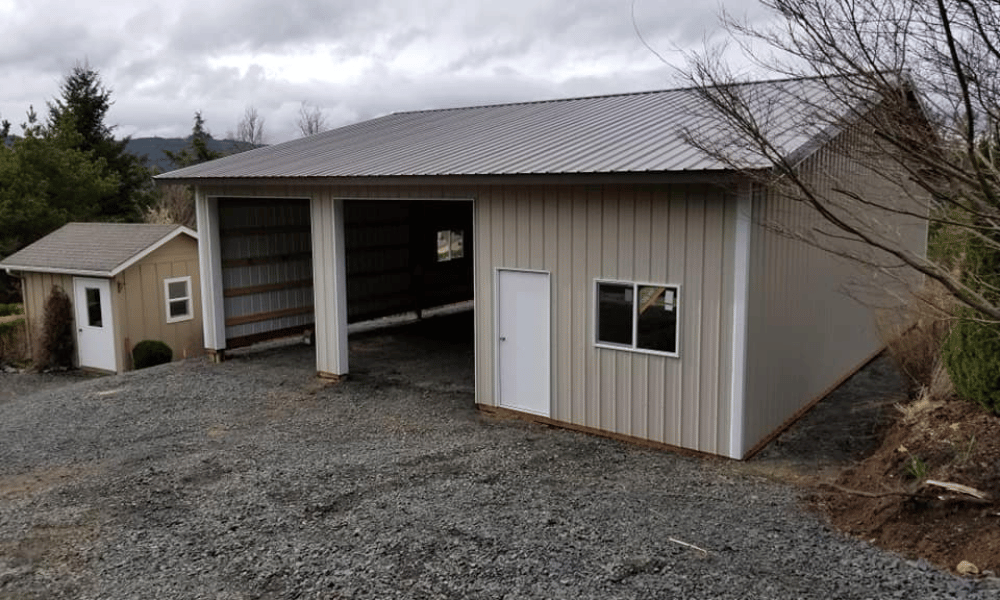
Ventilation Considerations Importance of Ventilation in Insulated Garages
While insulating your garage is vital for temperature control, effective ventilation is equally important:
It helps mitigate moisture buildup that can lead to mold growth. Proper airflow prevents unpleasant odors from lingering within the space. Types of Ventilation Systems
There are several types of ventilation systems you might consider:
Passive Ventilation Systems (e.g., vents installed at strategic locations) Active Ventilation Systems (e.g., exhaust fans) Maintaining Your Insulated Pole Barn Garage Regular Maintenance Tips
Keeping your insulated garage in top condition requires ongoing maintenance efforts:
Inspect insulation annually for signs of damage or pests. Ensure ventilation systems operate efficiently by cleaning filters regularly. Addressing Common Issues
Should you encounter problems such as drafts or excessive humidity levels:
Identify source issues—check seals around doors/windows first. Consider adding additional insulation if needed based on performance evaluations. FAQs About Insulating Your Pole Barn Garage Q1: How much does it cost to insulate my pole barn garage?
The cost varies significantly based on materials chosen and overall size but typically ranges from $0.50-$3 per square foot depending on complexity and labor costs involved.
Q2: Can I insulate my garage myself?
Yes! Many homeowners successfully insulate their own garages using DIY methods with careful planning and adherence to safety protocols outlined throughout this article!
Q3: How long does it take to insulate my pole barn garage?
Completion time depends on size/complexity; typically expect anywhere from one day up through several days depending on material choices & experience level!
Q4: Will insulating my garage increase its value?
Absolutely! Improved energy efficiency & comfort levels often lead prospective buyers towards favorably viewing properties featuring well-insulated spaces!
Q5: Is spray foam worth it compared with other insulation types?
Spray foam provides superior insulating properties & air sealing qualities compared against traditional batt/fiberglass options; however upfront costs must be weighed against long-term savings potential!
Q6: Do I need permits when insulating my garage?
Permitting requirements differ by location; check local building codes & regulations before starting work!
Conclusion
In conclusion, learning how to properly insulate your pole barn garage is essential for achieving year-round comfort while maximizing energy efficiency—an investment sure worth making! By utilizing effective materials like fiberglass batts pole barn or spray foams alongside diligent preparation efforts including adequate ventilation considerations—you’ll ensure optimum performance within this vital space! Remember always conduct thorough research tailored towards understanding specific needs unique towards individual projects—empowering yourself further along journey towards creating an ideal environment indoors!
With all this information at hand now—you’re fully equipped with knowledge necessary tackle task ahead confidently! Happy insulating!

Public Last updated: 2025-02-27 04:04:12 AM