How to Confirm You Have the Right Registration for a Replacement Plate
Why Getting the Registration Right Matters
A damaged number plate is more than an eyesore. Faded characters, a plate crack, or a missing plate can attract a police stop and a fine, and it can cause an MOT failure. The fix sounds straightforward: order a new plate and fit it. But before you click "buy", you need to be certain that the registration mark on the new plate matches the one officially assigned to your vehicle. A mismatch, even an innocent one, can land you with a penalty that costs far more than the plate itself.
The process for ordering a replacement is controlled by law. In the UK, you cannot simply type any combination of letters and numbers into a design tool and have a plate made. The supplier must see evidence that you are entitled to use that registration mark on that vehicle. That means you, as the buyer, need to know exactly what mark is on your vehicle's documents and how to prove your right to it. This article walks through the steps to confirm the correct registration before you order, so you avoid ordering the wrong plate or, worse, one that is not legal to display.
Step 1: Check the Physical Plate First
Before you look at any paperwork, look at the existing plate on your vehicle. If it is still readable, write down the characters exactly as they appear. Pay attention to the spacing. A UK registration mark has a set format: two letters, two numbers, then three letters. Some older marks use a different pattern, but the spacing is still prescribed. Do not guess. If the plate is cracked or has faded characters, you might misread a letter. A "B" can look like an "8", an "O" like a "0", and an "I" like a "1". Take a photo in good daylight and check it carefully.
If the plate is completely missing, or if it has been stolen, you cannot rely on the physical plate at all. In that case, you must go straight to the vehicle documents. Plate theft is uncommon, but it happens. If you suspect your plate was taken, report it to the police and get a crime reference number. That number will be useful when you order a replacement, because the supplier will ask about the circumstances of the loss.

Step 2: Locate the Registration Mark on Your Vehicle Documents
The definitive source for your vehicle's registration mark is the V5C logbook. This is the official document issued by the DVLA. The registration number is printed on the front page, near the top, in a field labelled "Registration number". It is also shown on the green "New keeper" slip if you have just bought the car. The V5C is the document that a number plate supplier must see, either in person or as a digital image, before they can legally make a plate for you.
If you cannot find your V5C, you have a few options. You can apply for a replacement logbook from the DVLA. That takes time, but it is the safest route. Alternatively, if you have a recent insurance certificate or a vehicle tax reminder, those documents also show the registration mark. However, not all suppliers accept those as proof. Most will insist on the V5C or a digital check of the DVLA database. If you are ordering online, you will usually be asked to upload a photo or scan of the V5C. Make sure the image is clear and shows the whole document, not just the registration number.
Step 3: Confirm the Registration Mark Matches the Vehicle's Identity
It sounds obvious, but the registration mark on the V5C must match the vehicle's VIN (Vehicle Identification Number) and, where applicable, the engine number. The VIN is a 17-character code stamped into the chassis, usually visible through the windscreen on the driver's side or under the bonnet. If the V5C shows a registration mark that does not match the VIN on the car, you have a problem. That mismatch can mean the plate was transferred from another vehicle, or there is an error in the DVLA records, or, in a worst-case scenario, the car is cloned or stolen.
Do not order a replacement plate until you resolve any discrepancy. Contact the DVLA directly. They can tell you whether the registration mark is correctly assigned to the vehicle's VIN. If there is a genuine error, they will correct it. If you order a plate based on the wrong registration, you could be displaying a mark that belongs to another vehicle, which is an offence. It is far better to wait a few extra days for the paperwork to be sorted than to risk a fine or a court appearance.
Step 4: Understand the Legal Requirements for the Plate Itself
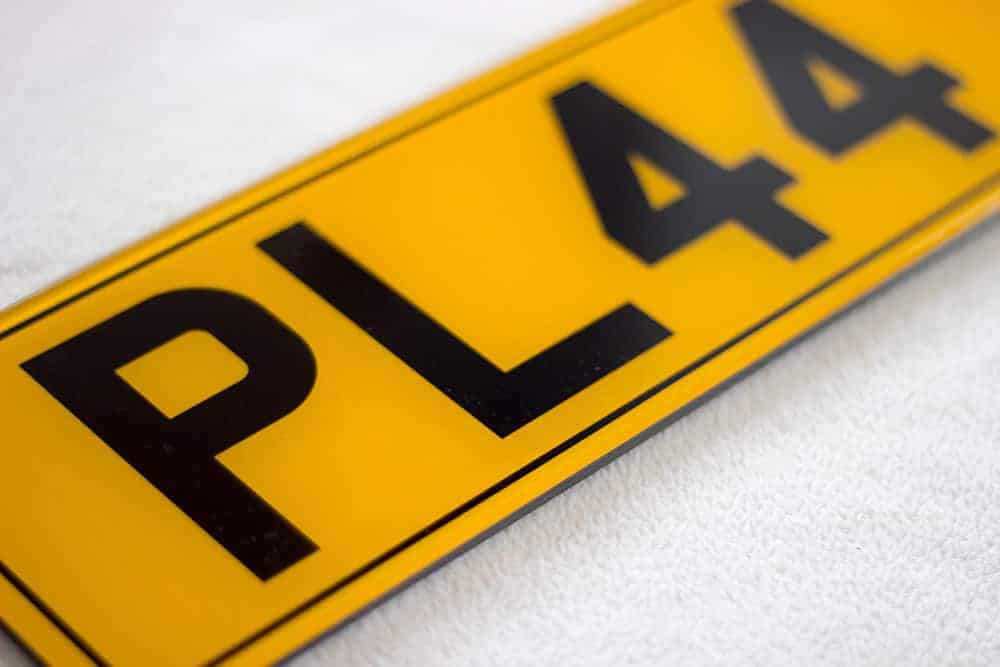
Once you have confirmed the correct registration mark, you need to ensure the plate you order meets the legal standards. The plate must display the characters in the correct font (Charles Wright), with the correct spacing, and on a reflective background. The front plate must have a white background, the rear plate a yellow one. The characters must be black. The plate must also show the supplier's name or trademark and the postcode of the supplying outlet, along with the British Standard number (BS AU 145e or later). These markings are usually printed in small letters at the bottom of the plate.
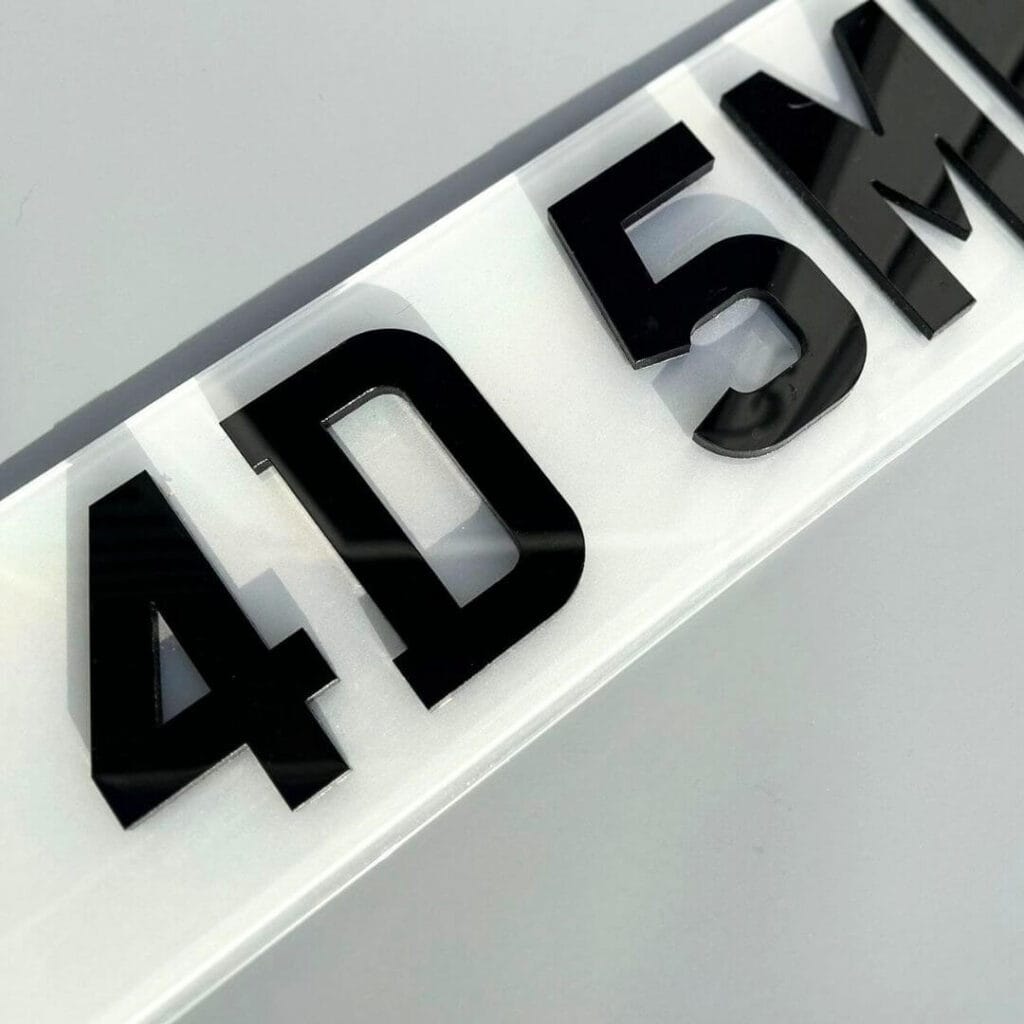
If you are ordering from an online supplier, you will be asked to confirm these details as part of the ordering process. A reputable supplier will not let you proceed without seeing proof of your entitlement to the registration mark. They will also check that the design you choose is legal. For example, you cannot use a font that looks like the Charles Wright font but is not, and you cannot use a background that is not reflective. Some custom styles, like 3D gel plates or carbon fibre look, are legal as long as they comply with the same standards. Always check with the supplier before you finalise the design.
Step 5: Order the Plate and Keep the Paperwork
When you place the order, you will need to provide proof of identity and proof of your entitlement to the registration mark. For most people, that means uploading a photo of their driving licence and the V5C. The supplier will then check the details against the DVLA database. Once the check passes, they will manufacture the plate and dispatch it. Keep the order confirmation and any correspondence from the supplier. If you are ever stopped by the police and asked to prove that your plate is legal, having a record of the purchase and the proof you provided can help.
If you are ordering from a company like Number Plate Maker UK, the process is designed to be straightforward. You enter your registration, upload your documents, and the system verifies everything before the plate is made. That verification step is crucial. It protects you from accidentally ordering a plate with a registration mark that you are not entitled to use. It also protects the supplier, because they are legally required to check. Do not skip this step, and do not use a supplier that does not ask for proof. That is a red flag that the plates may not be legal.
What to Watch Out For
There are a few common pitfalls. The first is assuming that the registration mark on the old plate is correct. If the plate was damaged or faded, it might have been misread when it was originally fitted. The second is assuming that the V5C is always up to date. If you have recently bought the car, the green slip is the temporary document. The full V5C will arrive later. You can use the green slip as proof, but check that the registration mark on it matches the one on the car. The third is forgetting that a private plate is different from a standard issue one. If you have a personalised registration, you must have a certificate of entitlement (V750 or V778) to prove you own the rights to that mark. Without that certificate, a supplier cannot legally make the plate.
Another thing to watch is the condition of the fixing holes. When you remove the old plate, the screw holes may be in a different position. You can reuse the existing holes if the new plate lines up. If not, you will need to drill new holes or use adhesive pads. Drilling into a new plate is not difficult, but measure twice before you drill. Some suppliers offer pre-drilled plates if you tell them the hole positions. That saves you the job.
Finally, if your plate was stolen, do not just order a new one with the same mark. You must inform the DVLA and get a new registration number assigned, or, if you have a private plate, get a replacement certificate. A stolen plate can be used by criminals to clone another vehicle. If you simply replace it without reporting the theft, you could be inadvertently helping someone else avoid detection. Report the theft, get a crime reference number, and then order your replacement.
Making the Right Choice
Ordering replacement number plates is a simple task, but it has a few legal hooks. The key is to slow down and confirm the registration mark before you do anything else. Check the physical plate, check the V5C, check the VIN. If everything matches, you can proceed with confidence. If there is any doubt, sort it out first. A few minutes of checking now can save you hours of hassle later. And when you do order, choose a supplier that follows the rules. That way, you know the plate you get is legal and built to last.
For many drivers, a company like Number Plate Maker UK makes the process easy because they handle the verification step for you. But the responsibility to supply the correct information still rests with you. Take a moment to get it right, and you will be back on the road with a clear, legal plate in no time.
Public Last updated: 2026-11-25 07:20:41 AM