What Happens After a UK Specialist Prescribes an Unlicensed Special?
```html
In the UK, certain medical conditions require treatments that licensed medicines cannot fully address. When this happens, specialists may resort to prescribing unlicensed specials—medicines not authorised through the usual licensing process but essential for patient care. This pathway involves careful sourcing, regulation, and documentation to ensure safety and traceability.

In this blog post, we’ll dive into the licensed versus unlicensed pathways, explore the named-patient special prescribing route, discuss the importance of specialist involvement including private clinics such as medicalcannabis.co.uk and Releaf cannabis clinic, and detail the roles of authorised manufacturers and importers in supplying these medicines.
Licensed vs Unlicensed Medicines: Understanding the Pathways
First, it’s important to define what we mean by licensed and unlicensed medicines.
- Licensed medicine: A licensed medicine has been reviewed and approved by the Medicines and Healthcare products Regulatory Agency (MHRA) or the European Medicines Agency (EMA). Its safety, quality, and efficacy have been formally evaluated, and it holds a marketing authorisation covering specific indications, dosages, and formulations.
- Unlicensed special: This is a medicine not covered by a marketing authorisation in the UK. It may be a special formulation, strength, or presentation made to meet an individual patient’s needs. These are often imported or manufactured under tightly controlled conditions but do not have the full licensing status.
Healthcare professionals sometimes need to prescribe unlicensed specials because no licensed medicine adequately covers the patient’s requirements. This decision depends on a risk-benefit evaluation, clinical judgement, and strict adherence to batch traceability pharmaceuticals regulations.
Why Not Use Licensed Medicines Always?
Licensed medicines cover the majority of conditions. However, some patients:
- Require a strength or formulation not available as a licensed product;
- Have allergies or intolerances necessitating alternative formulations;
- Suffer from rare conditions lacking licensed treatments;
- Are undergoing novel therapies or compassionate use programs.
Therefore, the unlicensed special pathway complements licensed medicines but involves greater responsibility around safety and traceability.
Named-Patient Unlicensed Specials: The Specialist Prescribing Route
When a specialist prescribes an unlicensed special, it is usually done under the named-patient basis. This means the medicine is supplied only for one specific patient, based on a clinical need that overrides the absence of a full licence.
The MHRA allows this pathway but expects strict compliance. The specialist must:
- Clearly document the clinical justification for using an unlicensed special;
- Inform the patient or their carer about the medicine’s unlicensed status and implications;
- Ensure that sourcing and dispensing comply with regulations;
- Maintain an audit trail of all documentation associated with the prescription.
This named-patient procedure balances patient access with safety controls. It places responsibility mainly on the prescriber and the dispensing pharmacy to ensure the medicine is appropriate and traceable.
Specialist Prescribing and Private Clinic Access
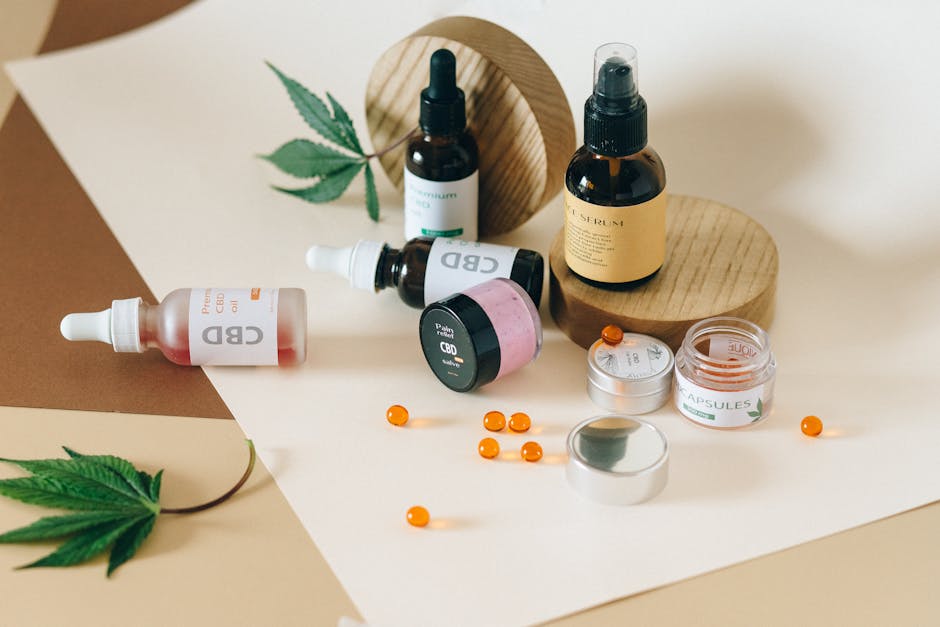
Since unlicensed specials require specialist advice, clinics such as Releaf cannabis clinic and platforms like medicalcannabis.co.uk provide access routes for patients requiring therapies such as medical cannabis products.
These clinics typically employ consultants with experience in prescribing unlicensed specials safely and following MHRA guidance. Patients often undergo thorough assessments to establish clinical need and consent before receiving prescriptions.
This specialist oversight ensures that unlicensed specials are prescribed only when necessary and appropriate, reducing risks such as inappropriate use or unsafe sourcing.
Authorised Manufacturers and Importers: Ensuring Quality and Compliance
The supply chain for unlicensed specials is crucial. Medicines must be sourced from authorised manufacturers and importers who comply with Good Manufacturing Practice (GMP) and proper import licensing.
Examples include UK-based manufacturers accredited by the MHRA or importers who hold the necessary Authorised Economic Operator status and have established supply chains with verified quality controls.
Sourcing from authorised importers is a key step in maintaining patient safety. It helps avoid counterfeit or substandard products and ensures the medicine meets required quality standards despite lacking a marketing authorisation.
Dispensing Pharmacy Supply: The Final Checkpoint
Once the medicine is sourced, it passes to the dispensing pharmacy, which plays a vital role in the supply chain:
- Verifying the legitimacy of the unlicensed special and the prescription;
- Checking the documentation audit trail including supplier certificates and MHRA correspondence;
- Ensuring patient counselling about the medicine’s unlicensed nature and any special handling instructions;
- Maintaining records for pharmacovigilance and potential audits.
Pharmacies dispensing unlicensed specials must follow professional standards and often work closely with specialist prescribers to ensure continuity and safety.
Documentation Audit Trail: Why It Matters
Transparency and accountability in unlicensed special prescribing and supply rely on thorough documentation. The audit trail typically includes:
Document Description Responsibility Specialist prescription Details clinical justification and patient information Prescriber Patient consent form Informs about unlicensed medicine use and obtains consent Prescriber or clinic staff Supplier certificates Quality and origin documentation from authorised manufacturer/importer Manufacturer/Importer Dispensing records Tracking issuance to patient with verification checks Dispensing pharmacy
This documentation underpins safety audits and responses to any adverse events. The MHRA may request reviews or inspections to verify compliance at any point.
Useful Resources for Clinicians and Patients
For healthcare professionals wanting to stay up-to-date on regulatory and practical aspects of unlicensed specials, tools such as the Pharma Journal 'Listen' audio option offer evidence-led updates in an accessible format.
Clinicians can also subscribe to site newsletters or alerts via the Site subscription form for tailored insights into pharmaceutical regulation and specialist medicine supply chains.
Summary: Steps Following a UK Specialist’s Unlicensed Special Prescription
- Specialist evaluates clinical need and documents justification for an unlicensed special.
- Patient is informed and consent obtained about unlicensed medicine use.
- Prescription is issued under named-patient basis following MHRA guidelines.
- Medicine is sourced from authorised manufacturers or importers with verified quality.
- Dispensing pharmacy verifies documentation and dispenses with appropriate counselling.
- A complete documentation audit trail is maintained for safety, traceability, and regulatory compliance.
By following these steps, UK healthcare professionals ensure patients receive necessary treatments through a robust, regulated supply chain that prioritises safety despite the absence of full licensing.
If you are a clinician or patient interested in further information about unlicensed specials, consider exploring specialist clinics like Releaf cannabis clinic and platforms like medicalcannabis.co.uk for expert guidance in this evolving area.
```

Public Last updated: 2026-07-16 02:52:46 AM