The Environmental Impact of Garbage Compactor Trucks A Comprehensive Analysis
Introduction
Garbage compactor trucks play a crucial role in managing waste in urban areas, helping to keep cities clean and organized. These specialized vehicles are equipped with compactors that compress waste to maximize space and efficiency during collection and transportation. While garbage compactor trucks provide essential services for waste management, it is important to evaluate their environmental impact. This article aims to explore the various aspects of how garbage compactor trucks affect the environment, from fuel consumption and emissions to noise pollution and resource depletion.
Fuel Consumption and Emissions
One of the primary environmental concerns associated with garbage compactor trucks is their fuel consumption and emissions. These vehicles typically run on diesel fuel, which is a fossil fuel known for its high carbon content and greenhouse gas emissions. The constant operation of garbage compactor trucks in urban areas contributes to air pollution, including the release of nitrogen oxides, particulate matter, and other harmful pollutants. The combustion of diesel fuel also generates carbon dioxide, a major contributor to climate change.
To address these environmental issues, there have been efforts to develop alternative fuel options for garbage compactor trucks, such as compressed natural gas (CNG) and electric vehicles. CNG-powered trucks produce lower emissions compared to diesel trucks, as natural gas burns cleaner and emits fewer pollutants. Electric garbage compactor trucks offer the advantage of zero tailpipe emissions, reducing the carbon footprint associated with waste collection. However, the infrastructure for charging electric vehicles and the initial cost of transitioning to alternative fuels remain significant challenges for widespread adoption.
Noise Pollution
In addition to air pollution concerns, garbage compactor trucks also contribute to noise pollution in urban environments. The operation of these vehicles, including engine noise, hydraulic systems, and compacting mechanisms, can create significant noise levels that disturb residents and impact the quality of life in communities. Noise pollution from garbage trucks can be particularly disruptive during early morning or late-night collection schedules, affecting sleep patterns and overall well-being.
To mitigate the impact of noise pollution, advancements in technology and vehicle design have focused on reducing noise levels in garbage compactor trucks. Manufacturers have developed quieter engines, improved insulation materials, and sound-dampening features to minimize noise emissions during operation. Additionally, implementing noise restrictions on collection routes and scheduling pickups during less sensitive hours can help minimize the disruptive effects of garbage truck noise on residents.
Resource Depletion
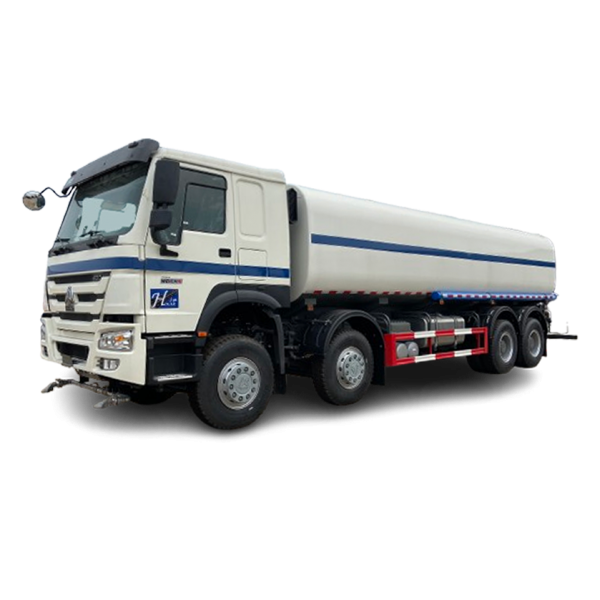
Another environmental consideration related to garbage compactor trucks is the depletion of natural resources associated with their production and operation. road sweeper lorry are complex machines that require a significant amount of materials and energy to manufacture, including steel, aluminum, plastics, and electronic components. The extraction and processing of raw materials for garbage truck production contribute to resource depletion and environmental degradation, especially in regions with lax regulations on mining and manufacturing practices.
To address resource depletion concerns, sustainable manufacturing practices and materials have been increasingly adopted in the production of garbage compactor trucks. Recycled materials, such as reclaimed steel and aluminum, can be used to reduce the environmental impact of vehicle manufacturing. Furthermore, designing trucks for longevity and ease of maintenance can extend their operational lifespan, reducing the need for frequent replacements and minimizing resource consumption over time.
Waste Management Efficiency
Despite the environmental challenges associated with garbage compactor trucks, these vehicles play a vital role in improving waste management efficiency in urban areas. The compaction technology used in these trucks allows for more efficient waste collection and transportation, maximizing the capacity of each load and reducing the number of trips required to transport waste to disposal sites. This efficiency helps save time, fuel, and labor costs associated with waste collection operations.
Moreover, garbage compactor trucks enable municipalities to implement organized waste collection systems, promoting recycling and proper waste disposal practices among residents. By providing designated collection points and schedules, these vehicles help streamline the waste management process and ensure that recyclable materials are separated from general waste. This organized approach contributes to overall environmental sustainability by reducing landfill waste and promoting resource recovery through recycling and composting efforts.
Conclusion
In conclusion, garbage compactor trucks have a significant environmental impact that encompasses fuel consumption, emissions, noise pollution, resource depletion, and waste management efficiency. While these vehicles are essential for managing waste in urban areas, it is crucial to address the environmental challenges associated with their operation. Efforts to transition to alternative fuels, reduce noise emissions, promote sustainable manufacturing practices, and improve waste management efficiency can help mitigate the environmental impact of garbage compactor trucks. By prioritizing sustainability and environmental responsibility in waste management practices, we can work towards a cleaner, healthier future for our cities and communities.
Garbage compactor trucks play a crucial role in managing waste in urban areas, helping to keep cities clean and organized. These specialized vehicles are equipped with compactors that compress waste to maximize space and efficiency during collection and transportation. While garbage compactor trucks provide essential services for waste management, it is important to evaluate their environmental impact. This article aims to explore the various aspects of how garbage compactor trucks affect the environment, from fuel consumption and emissions to noise pollution and resource depletion.
Fuel Consumption and Emissions
One of the primary environmental concerns associated with garbage compactor trucks is their fuel consumption and emissions. These vehicles typically run on diesel fuel, which is a fossil fuel known for its high carbon content and greenhouse gas emissions. The constant operation of garbage compactor trucks in urban areas contributes to air pollution, including the release of nitrogen oxides, particulate matter, and other harmful pollutants. The combustion of diesel fuel also generates carbon dioxide, a major contributor to climate change.
To address these environmental issues, there have been efforts to develop alternative fuel options for garbage compactor trucks, such as compressed natural gas (CNG) and electric vehicles. CNG-powered trucks produce lower emissions compared to diesel trucks, as natural gas burns cleaner and emits fewer pollutants. Electric garbage compactor trucks offer the advantage of zero tailpipe emissions, reducing the carbon footprint associated with waste collection. However, the infrastructure for charging electric vehicles and the initial cost of transitioning to alternative fuels remain significant challenges for widespread adoption.
Noise Pollution
In addition to air pollution concerns, garbage compactor trucks also contribute to noise pollution in urban environments. The operation of these vehicles, including engine noise, hydraulic systems, and compacting mechanisms, can create significant noise levels that disturb residents and impact the quality of life in communities. Noise pollution from garbage trucks can be particularly disruptive during early morning or late-night collection schedules, affecting sleep patterns and overall well-being.
To mitigate the impact of noise pollution, advancements in technology and vehicle design have focused on reducing noise levels in garbage compactor trucks. Manufacturers have developed quieter engines, improved insulation materials, and sound-dampening features to minimize noise emissions during operation. Additionally, implementing noise restrictions on collection routes and scheduling pickups during less sensitive hours can help minimize the disruptive effects of garbage truck noise on residents.
Resource Depletion
Another environmental consideration related to garbage compactor trucks is the depletion of natural resources associated with their production and operation. road sweeper lorry are complex machines that require a significant amount of materials and energy to manufacture, including steel, aluminum, plastics, and electronic components. The extraction and processing of raw materials for garbage truck production contribute to resource depletion and environmental degradation, especially in regions with lax regulations on mining and manufacturing practices.
To address resource depletion concerns, sustainable manufacturing practices and materials have been increasingly adopted in the production of garbage compactor trucks. Recycled materials, such as reclaimed steel and aluminum, can be used to reduce the environmental impact of vehicle manufacturing. Furthermore, designing trucks for longevity and ease of maintenance can extend their operational lifespan, reducing the need for frequent replacements and minimizing resource consumption over time.
Waste Management Efficiency
Despite the environmental challenges associated with garbage compactor trucks, these vehicles play a vital role in improving waste management efficiency in urban areas. The compaction technology used in these trucks allows for more efficient waste collection and transportation, maximizing the capacity of each load and reducing the number of trips required to transport waste to disposal sites. This efficiency helps save time, fuel, and labor costs associated with waste collection operations.
Moreover, garbage compactor trucks enable municipalities to implement organized waste collection systems, promoting recycling and proper waste disposal practices among residents. By providing designated collection points and schedules, these vehicles help streamline the waste management process and ensure that recyclable materials are separated from general waste. This organized approach contributes to overall environmental sustainability by reducing landfill waste and promoting resource recovery through recycling and composting efforts.
Conclusion
In conclusion, garbage compactor trucks have a significant environmental impact that encompasses fuel consumption, emissions, noise pollution, resource depletion, and waste management efficiency. While these vehicles are essential for managing waste in urban areas, it is crucial to address the environmental challenges associated with their operation. Efforts to transition to alternative fuels, reduce noise emissions, promote sustainable manufacturing practices, and improve waste management efficiency can help mitigate the environmental impact of garbage compactor trucks. By prioritizing sustainability and environmental responsibility in waste management practices, we can work towards a cleaner, healthier future for our cities and communities.

Public Last updated: 2025-05-11 03:57:30 AM