Unleashing Creativity: The Art of Interior Design
Whether you're moving into a new space or seeking to revamp your current one, interior design offers you the opportunity to bring your imagination to life. It's an art form that combines aesthetics, functionality, and personal style, turning any space into a reflection of its inhabitants. From selecting the perfect color scheme to arranging furniture in a way that maximizes both space and comfort, interior design holds the power to transform a simple room into a captivating sanctuary. So, let's embark on a journey into the world of interior design, where creativity knows no bounds and every corner becomes a canvas waiting to be adorned with beauty and innovation.
Importance of Interior Design
Interior design plays a crucial role in shaping the ambiance and functionality of a space. It goes beyond mere decoration to create an environment that is visually pleasing, practical, and in alignment with the purpose of the space. Whether it is a home, office, or public establishment, interior design has a significant impact on our daily lives.
First and foremost, interior design has the power to enhance our well-being by creating spaces that promote comfort and relaxation. A well-designed living room, for example, with its cozy furniture and soothing color palette, can instantly make us feel at ease after a long day. Similarly, in the workplace, a thoughtfully designed office with ergonomic furniture and proper lighting can contribute to increased productivity and reduced stress.
Moreover, interior design has the ability to reflect individual personalities and convey a certain mood or atmosphere. Through careful selection of furniture, color schemes, and decorative elements, interior designers can transform a blank canvas into a space that represents the unique style and preferences of its occupants. Whether it's a trendy and vibrant living space or a minimalist and serene bedroom, interior design allows individuals to create spaces that resonate with their inner selves.
Beyond personal expression, interior design also plays a crucial role in creating functional spaces. It involves the careful planning and arrangement of furniture, fixtures, and accessories to optimize the use of space and ensure efficient workflow. A well-designed kitchen, for instance, can make meal preparation a breeze, while a well-thought-out hotel lobby can provide a seamless and enjoyable experience for guests.
In conclusion, interior design is not just about aesthetics, but also about creating spaces that have a positive impact on our lives. From enhancing our well-being to reflecting our personalities and maximizing functionality, interior design has the power to transform spaces into inviting and inspiring environments.
Key Principles of Interior Design
When it comes to interior design, there are several key principles that guide the creation of beautiful and functional spaces.
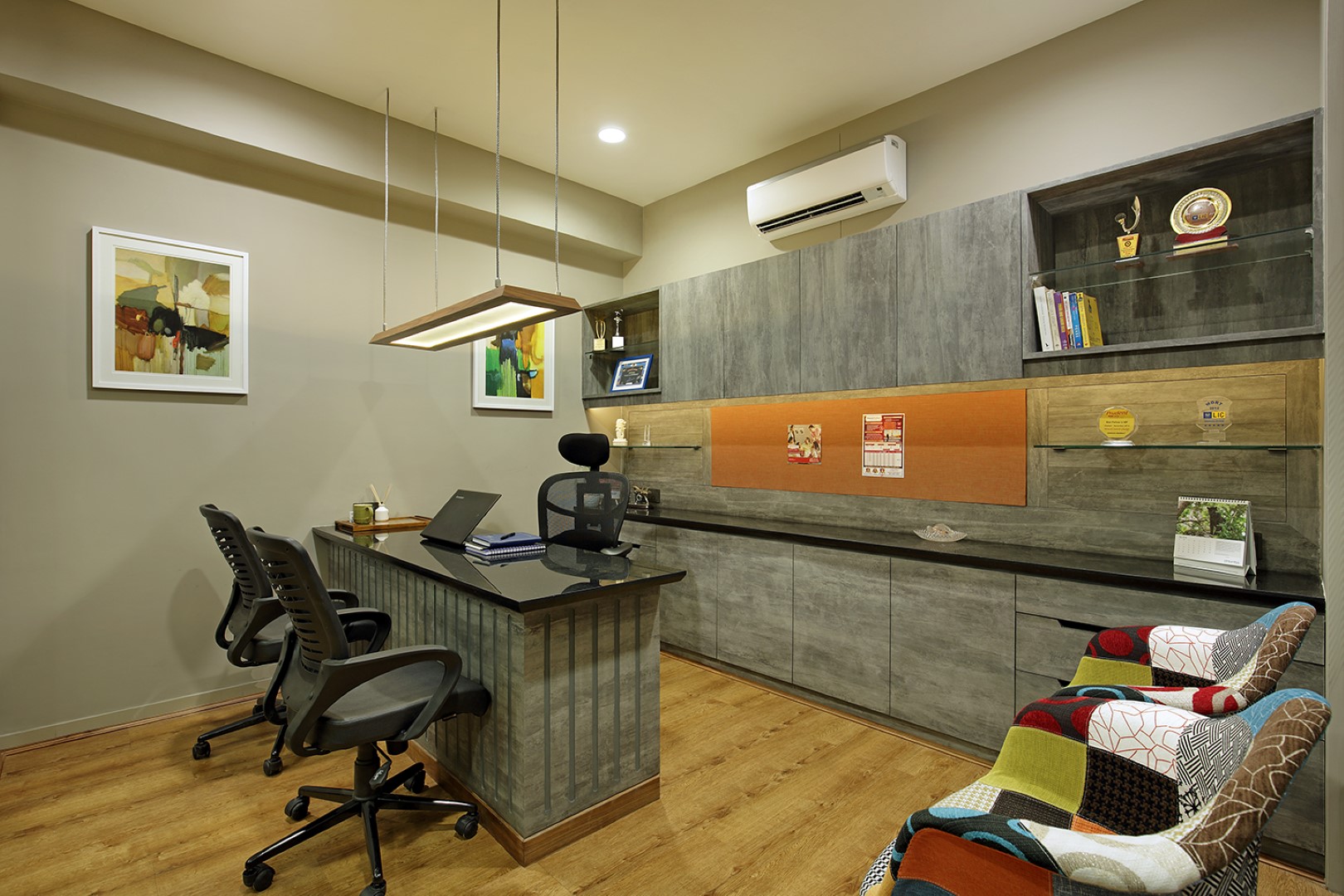
Balance: Achieving balance is crucial in interior design. Whether it's through symmetrical or asymmetrical arrangements, balancing different elements such as color, texture, and furniture placement helps create a sense of harmony within a room.
Proportion and Scale: Proportion and scale ensure that the various elements in a space are appropriately sized and relate well to each other. By carefully considering the size and shape of furniture, lighting fixtures, and decorative objects, designers can ensure that everything works cohesively.
Harmony: Harmony in interior design refers to the overall visual unity and coherence of a space. By using complementary colors, patterns, and materials, designers can create a sense of harmony that ties the different elements together.
By understanding and applying these key principles, interior design ers can transform ordinary spaces into extraordinary ones, reflecting both functionality and aesthetics.
Embracing Creativity in Interior Design
Interior design is not just about arranging furniture and selecting color schemes; it is an art form in itself. The creative aspect of interior design allows designers to transform spaces into unique and captivating environments. By embracing creativity, designers can bring their vision to life and create spaces that truly reflect the personalities and desires of their clients.
One way designers can unleash their creativity is by embracing the use of unconventional materials. Instead of sticking to traditional fabrics and finishes, they can explore the vast array of options available in the market today. From reclaimed wood to recycled glass, the possibilities are endless. By incorporating these unique materials into their designs, designers can add a touch of innovation and individuality to their projects.
Another essential element in embracing creativity is the ability to think outside the box. Designers should constantly challenge themselves to push boundaries and explore new possibilities. This could involve experimenting with different layouts, incorporating unexpected elements, or even combining different design styles. The key is to be open to new ideas and not be afraid to take risks. It is through this fearless exploration that the most groundbreaking and awe-inspiring designs are born.
Lastly, embracing creativity in interior design requires a deep understanding of the client's needs and desires. A skilled designer knows how to listen to their clients' wants and translate them into a tangible design concept. By understanding the client's vision and infusing it with their own creative flair, designers can create spaces that not only meet the practical requirements but also evoke emotions and leave a lasting impression.
In conclusion, embracing creativity is the key to unlocking the true potential of interior design. By exploring unconventional materials, thinking outside the box, and understanding the clients' desires, designers can create spaces that are not only visually stunning but also truly unique and reflective of their clients' personalities. It is through this artful integration of creativity that interior design becomes a transformative experience, turning mere spaces into extraordinary living environments.
Public Last updated: 2024-01-01 06:27:50 PM