Can a Plant-Based Medicine Be Prescribed If It’s Smoked?
```html
In the UK, the question of whether a plant-based medicine can be prescribed if it’s smoked often arises in the context of cannabis-based therapies. Despite the growing public interest and evolving medical options, the legal and regulatory frameworks place clear boundaries on how such medicines can be administered. This blog post unpacks why prescribed cannabis must be vaporised, not smoked, and explains the critical differences between combustion and vaporisation from both a clinical and regulatory standpoint—helping UK patients and healthcare professionals understand what the licensing framework permits and the role of devices in treatment.

Understanding the UK Licensing Framework Constraints on Plant-Based Medicines
First, let’s clarify the terminology around “plant-based medicine.” We mean substances derived directly from plants without extensive chemical alteration. In the UK, some of these, such as cannabis-based products for medicinal use, are legally prescribable, but under tightly controlled conditions. The licensing framework set by the Medicines and Healthcare products Regulatory Agency (MHRA) and the General Pharmaceutical Council (GPhC) governs how these medicines can be safely and legally handled.
Crucially, this framework does not license or approve smoking as a route of administration for prescribed medicines. That is, even if a medicine is from a plant, the route by which it enters the body must be one that the MHRA has authorised—smoking is not one of these.
Why isn’t smoking a licensable route for prescribed medicines?
- Safety concerns: Combustion generates harmful by-products not present in the active ingredient.
- Dosing inconsistency: Smoking makes it difficult to control the precise dose delivered.
- Device regulation issues: Smoking is uncontrolled, whereas inhalers or vaporizers are designed and regulated for consistent delivery.
In short, smoking is excluded under the licensing framework constraints because it cannot ensure patient safety, consistent dosing, or meet the rigorous standards required for medicinal products.
Combustion By-Products vs Vaporisation: What’s the Difference?
The core reason behind this distinction lies in combustion versus vaporisation. This difference impacts health outcomes and regulatory acceptance.
Combustion: burning plant material
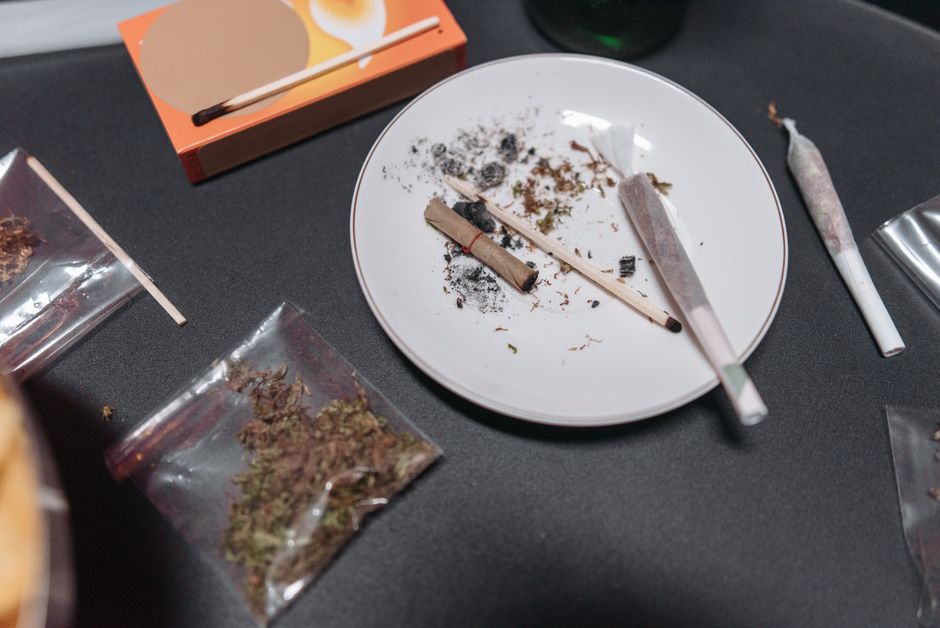
- Involves the burning of the medicinal plant matter (e.g., cannabis flower).
- Produces harmful smoke including tar, carbon monoxide, and other toxic chemicals linked to respiratory problems and cancer risk.
- Difficult to control temperature, leading to variable drug delivery and exposure to dangerous combustion by-products.
- Analogous to tobacco smoking, which is proven harmful and tightly regulated.
Vaporisation: heating without burning
- Heats the plant material to a temperature that releases active compounds as vapor, without reaching combustion point.
- Substantially reduces exposure to toxic combustion by-products since no smoke is produced.
- Allows more consistent dosing, as vaporizers are often designed to control temperature and dose.
- Permissible within UK licensing frameworks as part of prescribed medicine delivery pathways.
Because vaporisation fundamentally reduces harm and allows precise dosing, it is considered an acceptable route for plant-based prescribed medicines like cannabis.
Device as Part of the Treatment: More Than Just a Delivery Tool
In UK healthcare regulation, the device used to administer a prescribed medicine is considered intrinsic to the treatment itself. This means:
- Devices must be licensed or approved for their intended medicinal use by the MHRA or meet medical device regulations.
- Pharmacists and prescribers must ensure patients are trained in device use to maintain safety and therapeutic effect.
- Device consistency ensures repeatable dosing and reduces risk compared to unregulated methods.
For prescribed cannabis, this usually means the patient receives a medical vaporiser or access to one approved for that specific licensed product. Simply handing over raw cannabis flower for smoking would be illegal and unsafe.
Pharmacy and GPhC Regulation: Oversight on Prescribed Plant-Based Medicines
The way medicinal cannabis and similar plant-based medicines are dispensed in the UK is tightly overseen by the General Pharmaceutical Council https://www.thelondoneconomic.com/lifestyle/health/how-medical-cannabis-vaping-works-temperature-devices-and-the-economics-behind-it-409054/ (GPhC) alongside the MHRA. Key points include:
- Dispensing and storage: Pharmacists must follow strict protocols for storing vaporiser devices and cannabis-based products, maintaining chain of custody and product integrity.
- Patient counselling: Pharmacists are required to counsel patients on safe, correct device use and potential side effects.
- Prohibiting non-licensed routes: Pharmacists cannot support or recommend smoking of prescribed medicines, aligning with national licensing constraints.
- Record-keeping: Careful documentation helps regulators ensure medicines and devices are handled correctly throughout treatment.
In practice, this means community pharmacies and hospital dispensaries must operate within a compliance framework that excludes smoking and focuses on vaporisation or other licensed administration routes only.
Summary: Why Smoking Plant-Based Medicines Isn’t Prescribed in the UK
Aspect Smoking Vaporisation Licensing framework status Not licensable, banned as a prescribed route Licensable route, permitted for some plant-based medicines Health impact Produces harmful combustion toxins Significantly reduces harmful by-products Dosing consistency Variable and unreliable Better controlled via device Device regulation None, uncontrolled Approved medical vaporisers required Pharmacy role Cannot dispense or support smoking Dispense with counselling and device training
Final Thoughts
So, can a plant-based medicine be prescribed if it’s smoked?
No—at least not legally or safely within the UK healthcare system. The licensing framework explicitly excludes smoking as a route due to health risks and dosing challenges. Instead, vaporisation is the approved and recommended route, supported by medical device regulation and pharmacy oversight. This ensures patients receive consistent, safer treatments aligned with modern regulatory standards.
For anyone curious or considering cannabis-based therapies, understanding these distinctions is key to navigating UK healthcare expectations. Always ask your healthcare provider about licensed products and prescribed devices rather than informal or “smokable” sources—because when it comes to plant-based medicines, the delivery method isn’t just a detail; it’s fundamental to your safety and treatment success.
```

Public Last updated: 2026-08-27 06:44:55 PM