The Beauty and Durability of Cultured Stone Finishes
Introduction
Cultured stone finishes have become increasingly popular in the construction and design industry due to their versatility, durability, and aesthetic appeal. This article will explore the various aspects of cultured stone finishes, including their composition, installation process, benefits, and applications. By the end of this comprehensive guide, readers will have a thorough understanding of why cultured stone finishes have become a preferred choice for both residential and commercial projects.
Composition of Cultured Stone Finishes
Cultured stone finishes, also known as manufactured stone veneer, are crafted from a blend of Portland cement, aggregates, and iron oxide pigments. This composition is designed to mimic the appearance of natural stone while offering a more affordable and lightweight alternative. The manufacturing process involves pouring the mixture into molds that are created from real stones to capture their unique textures and shapes.
One of the key advantages of cultured stone finishes is the ability to customize the color and texture to suit a wide range of design preferences. By adjusting the ratio of pigments and aggregates, manufacturers can create finishes that closely resemble various types of natural stone, such as limestone, granite, and slate. This versatility allows designers and homeowners to achieve the desired aesthetic without the high cost and weight associated with natural stone.
Installation Process
The installation of cultured stone finishes is a relatively straightforward process that can be completed by skilled professionals or experienced DIY enthusiasts. The first step involves preparing the surface where the finishes will be applied, ensuring it is clean, dry, and free of any debris. A weather-resistant barrier is then installed to provide a moisture barrier and protect the underlying structure from water damage.
Next, a metal lath is attached to the surface using fasteners to create a secure base for the cultured stone finishes. A scratch coat of mortar is applied over the metal lath to create a rough surface that will help the finishes adhere properly. The cultured stone pieces are then individually applied to the surface, with mortar used to secure them in place and fill in any gaps between the stones.
Once the cultured stone finishes are in place, a grout mixture is applied to the joints to create a seamless appearance and enhance the overall aesthetic. The final step involves cleaning and sealing the finishes to protect them from the elements and ensure long-lasting durability. Proper installation is crucial to the performance and longevity of cultured stone finishes, so it is recommended to hire experienced professionals for the job.
Benefits of Cultured Stone Finishes
There are numerous benefits to choosing cultured stone finishes for residential and commercial projects, making them a popular choice among designers, builders, and homeowners alike. Some of the key advantages of cultured stone finishes include:
1. Cost-Effective: Cultured stone finishes are more affordable than natural stone, offering a budget-friendly option for those looking to achieve the look of real stone without breaking the bank. The manufacturing process of cultured stone allows for cost savings, making it an attractive choice for projects with budget constraints.
2. Lightweight: Unlike natural stone, which can be heavy and cumbersome to work with, cultured stone finishes are lightweight and easy to handle. This makes them easier to transport, maneuver, and install, reducing the labor and equipment required for the project.
3. Versatility: Cultured stone finishes come in a wide range of colors, textures, and styles, allowing for endless design possibilities. Whether you prefer the look of rustic cobblestone or sleek granite, there is a cultured stone finish to suit your aesthetic preferences.
4. Durability: Despite their lightweight nature, cultured stone finishes are highly durable and resistant to wear and tear. They are designed to withstand harsh weather conditions, UV exposure, and moisture, making them ideal for both interior and exterior applications.
5. Low Maintenance: Cultured stone finishes are easy to clean and maintain, requiring minimal upkeep to retain their beauty and integrity. Regular washing with a mild detergent and water is usually sufficient to keep the finishes looking like new for years to come.
Applications of Cultured Stone Finishes
Cultured stone finishes can be used in a variety of applications to enhance the visual appeal and functionality of residential and commercial spaces. Some of the common applications of cultured stone finishes include:
1. Exterior Facades: Cultured stone finishes are often used to create stunning exterior facades that mimic the look of natural stone. Whether applied to entire buildings or as accent features, cultured stone finishes can add character and charm to any architectural design.
2. Fireplaces and Chimneys: The warmth and texture of cultured stone finishes make them a popular choice for fireplaces and chimneys. Whether used to create a traditional hearth or a contemporary accent wall, cultured stone finishes can transform any fireplace into a focal point of the room.
3. Accent Walls: Cultured stone finishes can be used to create eye-catching accent walls in interior spaces, adding depth, texture, and visual interest to the room. Whether used in living rooms, dining areas, or bedrooms, cultured stone finishes can create a dramatic backdrop for furniture and decor.
4. Outdoor Living Spaces: Cultured stone finishes are ideal for enhancing outdoor living spaces such as patios, decks, and garden walls. Ledge stone for textured surfaces and weather resistance make them a practical choice for creating inviting and stylish outdoor environments that can withstand the elements.
5. Commercial Buildings: Cultured stone finishes are also widely used in commercial buildings, including retail stores, restaurants, and office buildings. Their versatility and durability make them a popular choice for creating attractive and long-lasting facades that leave a lasting impression on visitors and customers.
Conclusion
Cultured stone finishes offer a cost-effective, versatile, and durable alternative to natural stone, making them an attractive choice for a wide range of design and construction projects. From their customizable composition and easy installation process to their numerous benefits and applications, cultured stone finishes have earned their place as a preferred material in the industry.
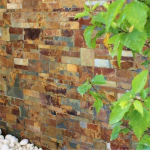
Whether you are looking to enhance the exterior of your home, create a cozy fireplace, or add a touch of luxury to your commercial space, cultured stone finishes provide the beauty and durability you desire. With proper installation and maintenance, cultured stone finishes can elevate the aesthetic appeal of any space and stand the test of time. Consider incorporating cultured stone finishes into your next project to enjoy the timeless elegance and practical benefits they offer.
Cultured stone finishes have become increasingly popular in the construction and design industry due to their versatility, durability, and aesthetic appeal. This article will explore the various aspects of cultured stone finishes, including their composition, installation process, benefits, and applications. By the end of this comprehensive guide, readers will have a thorough understanding of why cultured stone finishes have become a preferred choice for both residential and commercial projects.
Composition of Cultured Stone Finishes
Cultured stone finishes, also known as manufactured stone veneer, are crafted from a blend of Portland cement, aggregates, and iron oxide pigments. This composition is designed to mimic the appearance of natural stone while offering a more affordable and lightweight alternative. The manufacturing process involves pouring the mixture into molds that are created from real stones to capture their unique textures and shapes.
One of the key advantages of cultured stone finishes is the ability to customize the color and texture to suit a wide range of design preferences. By adjusting the ratio of pigments and aggregates, manufacturers can create finishes that closely resemble various types of natural stone, such as limestone, granite, and slate. This versatility allows designers and homeowners to achieve the desired aesthetic without the high cost and weight associated with natural stone.
Installation Process
The installation of cultured stone finishes is a relatively straightforward process that can be completed by skilled professionals or experienced DIY enthusiasts. The first step involves preparing the surface where the finishes will be applied, ensuring it is clean, dry, and free of any debris. A weather-resistant barrier is then installed to provide a moisture barrier and protect the underlying structure from water damage.
Next, a metal lath is attached to the surface using fasteners to create a secure base for the cultured stone finishes. A scratch coat of mortar is applied over the metal lath to create a rough surface that will help the finishes adhere properly. The cultured stone pieces are then individually applied to the surface, with mortar used to secure them in place and fill in any gaps between the stones.
Once the cultured stone finishes are in place, a grout mixture is applied to the joints to create a seamless appearance and enhance the overall aesthetic. The final step involves cleaning and sealing the finishes to protect them from the elements and ensure long-lasting durability. Proper installation is crucial to the performance and longevity of cultured stone finishes, so it is recommended to hire experienced professionals for the job.
Benefits of Cultured Stone Finishes
There are numerous benefits to choosing cultured stone finishes for residential and commercial projects, making them a popular choice among designers, builders, and homeowners alike. Some of the key advantages of cultured stone finishes include:
1. Cost-Effective: Cultured stone finishes are more affordable than natural stone, offering a budget-friendly option for those looking to achieve the look of real stone without breaking the bank. The manufacturing process of cultured stone allows for cost savings, making it an attractive choice for projects with budget constraints.
2. Lightweight: Unlike natural stone, which can be heavy and cumbersome to work with, cultured stone finishes are lightweight and easy to handle. This makes them easier to transport, maneuver, and install, reducing the labor and equipment required for the project.
3. Versatility: Cultured stone finishes come in a wide range of colors, textures, and styles, allowing for endless design possibilities. Whether you prefer the look of rustic cobblestone or sleek granite, there is a cultured stone finish to suit your aesthetic preferences.
4. Durability: Despite their lightweight nature, cultured stone finishes are highly durable and resistant to wear and tear. They are designed to withstand harsh weather conditions, UV exposure, and moisture, making them ideal for both interior and exterior applications.
5. Low Maintenance: Cultured stone finishes are easy to clean and maintain, requiring minimal upkeep to retain their beauty and integrity. Regular washing with a mild detergent and water is usually sufficient to keep the finishes looking like new for years to come.
Applications of Cultured Stone Finishes
Cultured stone finishes can be used in a variety of applications to enhance the visual appeal and functionality of residential and commercial spaces. Some of the common applications of cultured stone finishes include:
1. Exterior Facades: Cultured stone finishes are often used to create stunning exterior facades that mimic the look of natural stone. Whether applied to entire buildings or as accent features, cultured stone finishes can add character and charm to any architectural design.
2. Fireplaces and Chimneys: The warmth and texture of cultured stone finishes make them a popular choice for fireplaces and chimneys. Whether used to create a traditional hearth or a contemporary accent wall, cultured stone finishes can transform any fireplace into a focal point of the room.
3. Accent Walls: Cultured stone finishes can be used to create eye-catching accent walls in interior spaces, adding depth, texture, and visual interest to the room. Whether used in living rooms, dining areas, or bedrooms, cultured stone finishes can create a dramatic backdrop for furniture and decor.
4. Outdoor Living Spaces: Cultured stone finishes are ideal for enhancing outdoor living spaces such as patios, decks, and garden walls. Ledge stone for textured surfaces and weather resistance make them a practical choice for creating inviting and stylish outdoor environments that can withstand the elements.
5. Commercial Buildings: Cultured stone finishes are also widely used in commercial buildings, including retail stores, restaurants, and office buildings. Their versatility and durability make them a popular choice for creating attractive and long-lasting facades that leave a lasting impression on visitors and customers.
Conclusion
Cultured stone finishes offer a cost-effective, versatile, and durable alternative to natural stone, making them an attractive choice for a wide range of design and construction projects. From their customizable composition and easy installation process to their numerous benefits and applications, cultured stone finishes have earned their place as a preferred material in the industry.
Whether you are looking to enhance the exterior of your home, create a cozy fireplace, or add a touch of luxury to your commercial space, cultured stone finishes provide the beauty and durability you desire. With proper installation and maintenance, cultured stone finishes can elevate the aesthetic appeal of any space and stand the test of time. Consider incorporating cultured stone finishes into your next project to enjoy the timeless elegance and practical benefits they offer.

Public Last updated: 2025-04-03 04:06:25 AM