How an Emergency Dentist Helps After a Car Accident

A car accident can leave obvious injuries and hidden ones. Most people know to look for bleeding, broken bones, neck pain, or concussion symptoms. Dental trauma often gets pushed down the list, especially when adrenaline is high and the scene is chaotic. Yet damage to the teeth, gums, jaw, and surrounding soft tissue is common after a collision, even at relatively low speeds. A steering wheel strike, airbag deployment, a seat belt locking the body while the head snaps forward, or simply clenching hard at impact can all injure the mouth.
This is where an Emergency Dentist becomes important. Dental injuries have a short window in which treatment can make a major difference. A chipped tooth can turn into nerve pain. A loosened tooth can die if its blood supply is compromised. A knocked-out tooth can sometimes be saved, but time matters, and handling matters even more. In practical terms, an emergency dental visit after a crash is not just about comfort or appearance. It is about preserving function, reducing infection risk, protecting long-term oral health, and documenting the injury properly.
People often assume the emergency room covers everything. It usually does not. Hospital teams are essential for life-threatening and medically complex injuries, but dental trauma often needs a dentist’s tools, imaging, and judgment. In many cases, the ER will stabilize the patient, manage pain, address facial lacerations, and rule out serious head or neck injury, then advise follow-up with a dentist or oral surgeon. That gap between initial medical care and targeted dental care is exactly where a skilled Emergency Dentist helps.
The kinds of dental injuries a crash can cause
Not every accident produces a dramatic broken front tooth. Some injuries are subtle at first. A patient may walk away feeling sore, only to notice a bite that suddenly feels “off” later that evening. Another may have a small enamel fracture that seems cosmetic, then wake up two days later with intense sensitivity to cold. The mouth is complex, and trauma rarely lands neatly in one category.
A dentist evaluating crash-related trauma commonly looks for chipped or fractured teeth, teeth that have been pushed out of position, loosened teeth, completely avulsed teeth, cuts to the lips and gums, bruising around the tooth roots, jaw joint strain, and fractures to the supporting bone. Existing dental work can fail too. Crowns can crack, fillings can dislodge, veneers can shear off, and implants can be damaged by blunt force.
One of the more overlooked injuries is trauma to the tooth pulp, the living inner tissue that contains nerves and blood vessels. A tooth can look mostly intact from the outside and still suffer internal damage. The impact interrupts circulation, and over time the tooth darkens, aches, or becomes infected. That is why a post-accident exam matters even when the mirror seems reassuring.
Children and teenagers bring another layer of complexity. Their teeth and jaw structures are still developing, and treatment decisions differ from those for adults. A primary tooth that is pushed into the gum can affect the permanent tooth underneath. A partially formed permanent tooth may have a better chance of healing if managed quickly and correctly. Timing, age, and the stage of dental development all shape the dentist’s recommendations.
Why speed matters more than most people realize
With dental trauma, time can change the outcome. That is most obvious with a knocked-out permanent tooth. In the best circumstances, if the tooth is recovered, handled by the crown rather than the root, kept moist, and replanted quickly, it may be saved. Delay drops those odds sharply. Even when reimplantation is not possible, prompt Emergency Dentist care can protect the socket, reduce pain, and preserve future treatment options.
Fractures also become harder to manage when care is delayed. A cracked tooth left exposed can become extremely sensitive, accumulate bacteria, or split further under chewing forces. A displaced tooth can begin to stabilize in the wrong position. Soft tissue lacerations inside the mouth can trap debris. Swelling can increase over the first day or two, making a thorough exam more difficult and more uncomfortable.
There is also the issue of bite alignment. After an impact, patients sometimes say, “My teeth don’t come together the same way.” That phrase is clinically important. It can signal a tooth displacement, a jaw fracture, a temporomandibular joint injury, or a fracture of the supporting bone around the teeth. Those are not wait-and-see situations.
In practice, one of the most useful things an Emergency Dentist does is separate injuries that are urgent but manageable in a dental office from those that need immediate hospital or oral surgery intervention. That judgment saves time and can prevent a patient from bouncing between providers without a clear plan.
What an Emergency Dentist assesses during the first visit
A good post-accident dental evaluation is more than a quick look at the obvious broken tooth. The dentist should reconstruct what happened. Which direction did the blow come from? Was there direct contact with the dashboard, airbag, steering wheel, or window? Did the patient lose consciousness? Was there vomiting, dizziness, or headache? Those details matter because they help identify injury patterns and red flags that extend beyond the teeth.
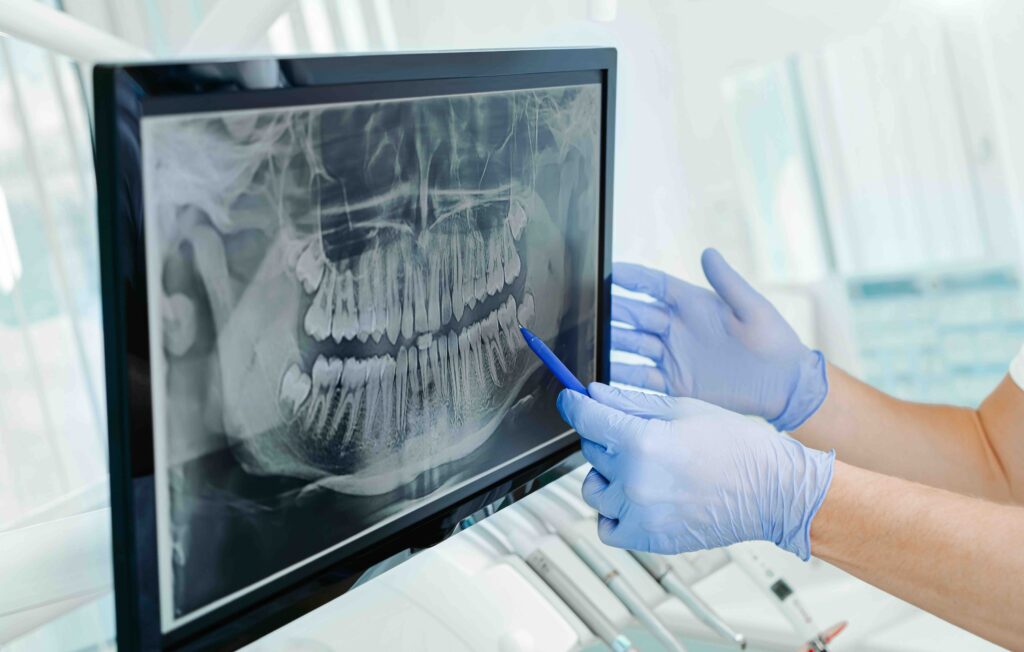
The examination usually includes the teeth, gums, lips, tongue, cheeks, bite, jaw movement, and supporting bone. The dentist may test mobility, check whether teeth are tender to percussion, evaluate whether the bite has shifted, and look for cracks that only show under light and magnification. Dental X-rays are often part of the workup, and sometimes more advanced imaging is needed if root fractures or jaw injuries are suspected.
Soft tissue injuries deserve careful attention. It is not unusual for a lip laceration to contain fragments of tooth. If those fragments are missed, healing becomes more painful and less predictable. A patient may think the lip is simply swollen, while the dentist finds embedded debris that explains the persistent tenderness.
The first visit is also a baseline. Trauma evolves. A tooth that tests normal immediately after injury can become non-vital weeks later. Because of that, the dentist’s records, photographs, and radiographs are not just administrative paperwork. They create a clinical timeline that guides follow-up and, if necessary, insurance or legal documentation.
Immediate treatment can be simple or surprisingly involved
Some accident-related dental visits are straightforward. A sharp chip can be smoothed or bonded the same day. A displaced filling can be replaced. A tender but stable tooth may need observation, a soft diet, and repeat testing rather than invasive work. Other cases are more involved from the start.
A deeply fractured tooth may need protective coverage, root canal treatment, or extraction if the damage extends below the gumline. A loosened tooth often needs splinting, which means stabilizing it to neighboring teeth so the supporting tissues can heal. A luxated tooth, one that has been moved but not completely knocked out, may need repositioning before it is splinted. If there is severe facial swelling, difficulty opening the mouth, or suspected jaw fracture, referral to an oral and maxillofacial surgeon may be the safest next step.
Pain management is another practical part of the visit. Dental trauma hurts in different ways. Some patients have constant throbbing. Others only feel pain when the teeth touch. Cold sensitivity, pressure pain, and radiating discomfort into the jaw muscles are all common after a crash. The Emergency Dentist chooses treatment not just to fix structure, but to reduce the specific type of pain the injury is causing.
A point patients appreciate is that emergency dental care often proceeds in stages. The first goal is stabilization. The final cosmetic repair may come later, after swelling settles and the prognosis of the tooth becomes clearer. This staged approach can feel frustrating if a front tooth is involved, but it is usually the most responsible way to preserve options.
Signs you should not ignore after a collision
Some symptoms make the need for urgent dental care obvious. Others are easy to brush off until they worsen. After a car accident, these warning signs deserve prompt attention:
- A tooth is knocked out, loose, cracked, shortened, or visibly out of position.
- Your bite feels different, or your teeth no longer meet normally.
- There is bleeding from the gums or mouth that does not stop, or a deep cut inside the lips or cheeks.
- You have facial swelling, increasing tooth pain, or strong sensitivity to temperature or pressure.
- You cannot open or close your jaw normally, or you hear new clicking with pain after impact.
Even one of these symptoms can justify calling an Emergency Dentist the same day. If there are signs of concussion, severe facial fracture, uncontrolled bleeding, breathing problems, or neck injury, emergency medical care takes priority first.
What to do before you reach the dental office
The period between the accident and the appointment often affects the outcome. Panic tends to make people scrub, rinse, or store damaged teeth the wrong way. A calm, practical approach helps.
If a permanent tooth is completely knocked out, pick it up by the crown, not the root. If it is dirty, rinse it briefly with milk or saline if available, or with clean water for only a few seconds. Do not scrub it. If the person is alert and it is safe, placing the tooth back into the socket is ideal. If that is not possible, keep it moist in milk or a tooth preservation solution. Dry storage is the enemy here.
For bleeding, apply gentle pressure with clean gauze. Cold compresses on the outside of the face can reduce swelling. Soft foods, or no food at all until evaluation, are usually wise if the bite has changed or a fracture is suspected. Pain medication may help, but it should not be used to mask symptoms so thoroughly that people delay care they actually need.
A short pre-visit checklist can keep things organized:
- Save any broken tooth fragments, crowns, or dental appliances you can find.
- Take a quick photo of visible injuries if you are able.
- Note the time of the accident and when symptoms began.
- Bring insurance information and any hospital discharge papers.
- Avoid chewing on the injured side before the exam.
That kind of preparation helps the dentist move quickly once you arrive.
The overlap between medical care and dental care
After a moderate or severe crash, dental treatment rarely happens in isolation. A patient may also be dealing with whiplash, chest bruising, a hand injury, or facial cuts. Coordination matters. If there is any possibility of head injury, cervical spine injury, or facial fracture, the dentist needs that medical context. Likewise, the emergency physician may need to know if there is a dental source of bleeding, infection risk, or a foreign body embedded in soft tissue.
This is one reason experienced clinicians ask detailed questions and are cautious about what they treat in-office on day one. An accident is not the same as a routine chipped tooth from biting ice. Force travels through the face in ways that are not always visible. A patient with jaw pain and an altered bite may have a dental displacement, but they may also have a condylar injury or another fracture that requires imaging beyond the typical dental X-ray series.
Medications matter too. If a patient was given pain medicine, muscle relaxants, or blood thinners after the accident, those influence treatment decisions. The same is true for tetanus status if soft tissue wounds are involved. Good emergency dental care is clinical dentistry, but it is also communication and triage.
When the problem shows up days later
Some of the most frustrating cases are the ones that seem minor at first. A patient leaves the accident scene with a sore jaw and no visible damage. Three days later, a front tooth begins to ache. A week later, the tooth is gray. Or the patient notices clicking in the jaw every morning, followed by headaches and difficulty chewing tougher foods. These delayed symptoms are common enough that they should not be dismissed.
Teeth can suffer concussion injuries, meaning they are bruised within the socket without obvious displacement. These teeth may remain tender for a while, or they may later develop pulpal necrosis. Cracks can also be hard to detect immediately if they are fine and hidden along the root or under the gumline. Repeated symptoms, especially pain when biting and release pain when chewing, often lead the dentist to suspect a fracture pattern that was not obvious on day one.
Jaw joint injuries have their own timeline. A patient may not appreciate how much they clenched during impact until the masseter muscles tighten and fatigue appears during meals. An Emergency Dentist may provide the first focused evaluation, then recommend ongoing monitoring, a soft diet, anti-inflammatory measures, or referral if temporomandibular symptoms persist.
Repair is not only cosmetic
There is a common misconception that post-accident dental treatment is mainly about appearance. For front teeth, the cosmetic concern is real and valid, especially if the patient works in a public-facing role or simply wants to feel normal again. But function comes first more often than people realize.
A damaged incisor affects speech and biting. A fractured molar changes how force is distributed across the entire mouth. A lost tooth alters chewing efficiency and can let neighboring teeth drift over time. Even a small shape change on a tooth can create a high spot that leads to clenching, soreness, or repeated chipping. The dentist’s job is to restore form, yes, but also bite balance, comfort, and long-term stability.
Sometimes the most conservative treatment is the best one. Bonding a chip rather than crowning a tooth preserves more natural structure. In other cases, conservative care is not durable enough, and a crown, root canal, or implant planning discussion becomes necessary. That judgment depends on the location of the injury, the depth of the fracture, the patient’s age, bite forces, and whether the tooth already had previous restorations.
The role of documentation after an accident
An Emergency Dentist also plays a practical role that many patients do not think about until later. Documentation matters after a car accident. Clinical notes, photographs, radiographs, and treatment timelines can all be relevant for insurance claims or legal review. They establish what was damaged, what symptoms were present, what treatment was required, and whether future care is likely.
This is particularly important when symptoms evolve. For example, a tooth may need only monitoring in the first week, then require root canal treatment a month later because the pulp does not recover. Without a clear initial record linking the dental trauma to the accident, patients can run into avoidable disputes over coverage. Dentists who routinely manage trauma cases understand how to chart findings thoroughly without exaggeration or speculation.
That said, documentation should never outpace clinical reality. A careful dentist avoids making claims that imaging or examination does not support. The goal is accurate, defensible records, not dramatic language. Good records help everyone involved because they reduce uncertainty.
Cost, timing, and treatment planning in the real world
Real emergency care always involves trade-offs. Patients may be in pain, juggling auto claims, missing work, and waiting to learn what their medical coverage will handle. The dental plan often has to be phased. Immediate stabilization comes first. Definitive repair follows once the prognosis is clearer and the financial path is less chaotic.
A practical example is a fractured front tooth with questionable nerve vitality. The dentist may place a provisional restoration, adjust the bite, and schedule follow-up testing rather than rushing into irreversible treatment. If the pulp survives, the patient keeps more natural tooth structure. If it does not, root canal therapy can be done with clearer indications. That kind of measured decision-making may not feel dramatic, but it is the difference between thoughtful care and overtreatment.
At the same time, there are moments when delay is false economy. Leaving a compromised tooth open to the oral environment can lead to infection, and replacing a salvageable tooth later is often more expensive than preserving it early. The right choice depends on biology, not just budget.
Choosing the right dental help after a crash
Not every general dental office is equipped the same way for trauma cases. When calling, it helps to ask whether the practice sees same-day dental emergencies, whether they handle dental trauma regularly, and whether they can coordinate with oral surgery if the injury is more complex than expected. Access to imaging, experience with splinting and trauma follow-up, and a team that knows how to triage over the phone all make a difference.
The best Emergency Dentist is not simply the first available chair. It is the clinician who can assess the injury thoroughly, explain the likely sequence of treatment, and recognize when the problem extends beyond what should be managed in a standard office setting. In trauma care, humility is part of expertise. Knowing when to treat and when to refer protects the patient.
Recovery often continues after the pain fades
One of the most important things patients hear after emergency treatment is that “feeling better” does not always mean “fully healed.” Traumatized teeth can change over time. Follow-up appointments may include repeat vitality testing, X-rays, bite checks, and evaluation of gum healing around injured teeth. That ongoing surveillance can catch late complications before they become painful emergencies.
For patients, this can be surprising. They may feel the crisis is over once the broken edge is repaired or the loose tooth is splinted. Clinically, though, the weeks and months after the accident often reveal the true prognosis. Some teeth recover beautifully. Others look stable for a while, then declare their injury later. An experienced Emergency Dentist prepares patients for that uncertainty without alarming them unnecessarily.
After a car accident, oral injuries deserve the same seriousness as other trauma, even when they seem small. Teeth do not heal the way skin does, and missed dental damage rarely becomes simpler with time. Prompt, well-judged care can save teeth, limit pain, protect the bite, and create a clear path for recovery. That is the quiet but essential role of an Emergency Dentist when the rest of the day has already gone wrong.
Public Last updated: 2026-10-30 03:14:39 AM